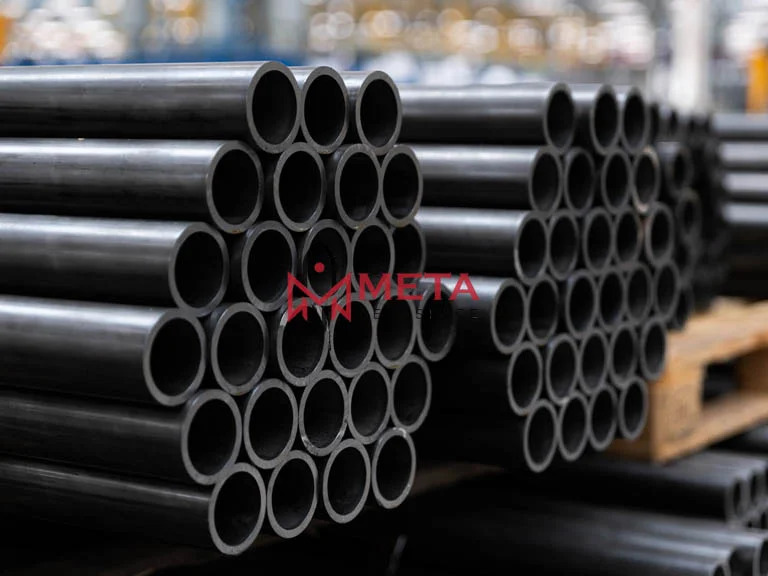
About Carbon ASTM 106 Grade B Pipes
What Are Specification Carbon ASTM 106 Grade B Pipes?
| Standards | ASTM, ASME and API, ANSI B 36.10 |
|---|
| Craft | Cold rolled and Cold drawn |
|---|
| ANSI Standard | B1.20. |
|---|
| Grades | ASTM A106 Grade A, Grade B, Grade C |
|---|
| Type | ERW / Seamless / Fabricated / Welded |
|---|
| Size | 1/2 NB to 36 NB |
|---|
| Length | Minimum 3 Meters, Maximum 18 Meters |
|---|
| Thickness | 3-12mm |
|---|
| Specialized in | Large Diameter ASTM A106 Grade B Pipe |
|---|
| Schedules | Schedule 20, 30, 40, Standard (STD), Extra Heavy (XH), 80, 100, 120, 140, 160, XXH & heavier |
|---|
| ASME Standard | B36.10M |
|---|
| Tolerance | Cold drawn pipe: +/-0.1mm Cold rolled pipe: +/-0.05mm |
|---|
| End | Plain End, Beveled End, Treaded |
|---|
Equivalent material Of Carbon ASTM 106 Grade B Pipes?
| | Former | New |
|---|
| Execution | Standard | Material | Standard | Material |
|---|
| Seamless | ASTM A106 | GRADE B | EN 10216-2 | P265GH |
Chemical Composition Of Carbon ASTM 106 Grade B Pipes?
| Standard | Grade | Chemical Composition % |
|---|
| C | Mn | P | S | Si | Cr | Cu | Ni | Mo | V |
|---|
| ASTM A106 | B | 0.30 | 0.29-1.06 | 0.035 | 0.035 | >0.10 | 0.40 | 0.40 | 0.40 | 0.15 | 0.08 |
Mechanical Properties Of Carbon ASTM 106 Grade B Pipes?
| Standard | Grade | Tensile Strength
(MPa) | Yield Strength
(MPa) | Trans.Elongation
(%) | Impact Test
(J) |
|---|
| ASTM A106 | B | >415 | 240 | 16.5 | - |
|---|
Versatile Applications Across IndustriesASTM A106 Grade B carbon steel pipes are integral to critical infrastructure in oil and gas, mechanical, power generation, and chemical processing sectors. Their robust mechanical attributes and ability to withstand temperatures from -29C to 427C make them ideal for transportation of fluids and gases under extreme conditions. Their adaptability in size, thickness, and connection type ensures seamless integration into complex systems.
Stringent Testing and Quality AssuranceEach pipe undergoes multiple inspection processes, including hydrostatic, eddy current, ultrasonic, and visual evaluations. These rigorous testing standards uphold the pipes structural integrity and ensure leak-free performance. With 0.5% tolerance and compliance to ASTM A106 Grade B standards, these pipes consistently deliver reliability and safety in demanding environments.
FAQs of Carbon ASTM 106 Grade B Pipes:
Q: How are Carbon ASTM A106 Grade B pipes tested for quality assurance?
A: Every pipe is subjected to a series of rigorous tests including hydrostatic pressure, eddy current, ultrasonic, and detailed visual inspections. These processes ensure structural integrity, detect potential defects, and guarantee compliance with ASTM A106 Grade B standards before delivery.
Q: What makes ASTM A106 Grade B pipes suitable for high-temperature applications?
A: These pipes are engineered to operate within a wide temperature range of -29C to 427C. Their superior material composition, high tensile and yield strength, and various delivery conditions (as rolled, normalized, or stress relieved) enable them to withstand thermal stress in boilers, refineries, and chemical plants.
Q: When should plain end, beveled end, or threaded with coupling pipes be used?
A: The choice depends on the intended installation and connection methods. Plain ends are ideal for welding, beveled ends facilitate stronger weld joints, and threaded with coupling pipes allow quick assembly and disassembly, particularly useful in maintenance or modular systems.
Q: Where are ASTM A106 Grade B pipes commonly applied?
A: These pipes are widely utilized in oil and gas extraction and transportation, boiler fabrication, high-temperature process industries, chemical plants, and mechanical systems requiring robust and corrosion-resistant pipelines.
Q: What is the process for customizing the size or thickness of these pipes?
A: Clients may specify required outer diameters (21.3508 mm), thickness (230 mm), and lengths (standard 6 or 12 meters, or custom). The manufacturer then employs hot rolling and appropriate surface treatments to precisely fabricate pipes to these specifications.
Q: How does the packaging ensure the pipes protection during transport?
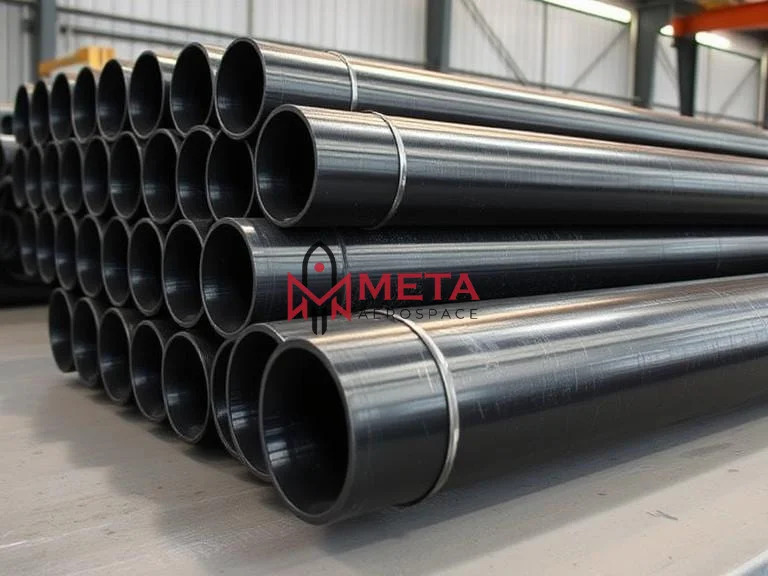
A: Pipes are securely bundled with steel strips, enclosed in plastic bags, or packaged as required. Additionally, plastic end caps are fitted to prevent contamination or damage to pipe ends during shipping and storage, preserving their quality until installation.
Q: What are the key benefits of choosing ASTM A106 Grade B pipes from Indian exporters?
A: Indian manufacturers and exporters offer high-quality, customizable ASTM A106 Grade B pipes with strict adherence to international standards. Buyers benefit from quality assurance, diverse delivery options, timely supply, and global shipping capabilities.

 Send Inquiry



 Send Inquiry

 Send Inquiry
 English
 Spanish
 French
 German
 Italian
 Chinese (Simplified)
 Japanese
 Korean
 Arabic
 Portuguese