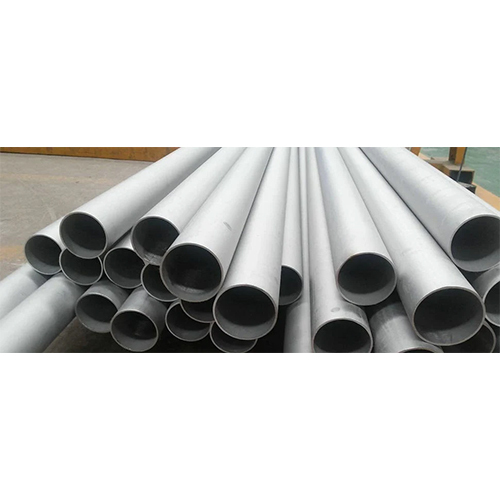
About Stainless Steel 304 Pipes
What Are Specification Stainless Steel 304 Pipes?
| ASTM / ASME Name | ASTM A 312 ASME SA 312 / ASTM A 358 ASME SA 358 |
|---|
| Dimensions Standard | ASTM, ASME and API |
|---|
| Stainless Steel 304 Seamless Pipes Size Range | 0.5 NB 16 NB |
|---|
| ERW 304 Pipes | 1/2 NB 24 NB |
|---|
| EFW 304 Pipes | 6 NB 100 NB |
|---|
| OD Sizes | 0.5NB TO 30NB IN |
|---|
| Specialized in | Large Diameter Size |
|---|
| Schedule | SCH20, SCH30, SCH40, STD, SCH80, XS, SCH60, SCH80, SCH120, SCH140, SCH160, XXS |
|---|
| Frequently Used Type | Seamless / ERW / Welded / Fabricated / LSAW Pipes |
|---|
| Available Pipes Form | Round |
|---|
| Stainless Steel 304 Seamless Pipes Stock Length | Single Random, Double Random & Cut Length. |
|---|
| Stainless Steel 304 Seamless Pipes End Finishing | Plain End, Beveled End, Treaded End |
|---|
Equivalent material Of Stainless Steel 304 Pipes?
| Grade | UNS No | Old British | Euronorm | Swedish SS | Japanese JIS |
|---|
| BS | En | No | Name |
|---|
| 304 | S30400 | 304S31 | 58E | 1.4301 | X5CrNi18-10 | 2332 | SUS 304 |
Chemical Composition Of Stainless Steel 304 Pipes?
| Grade | Mn | C | P | Si | Cr | S | Ni | Mo | N |
|---|
Stainless Steel 304
Pipes | min | | | | | 18.0 | | 8.0 | | |
|---|
| max | 2.0 | 0.08 | 0.045 | 0.75 | 20.0 | 0.030 | 10.5 | - | 0.10 |
|---|
Mechanical Properties Of Stainless Steel 304 Pipes?
| Material | Heat | Temperature | Tensile Strength | Yield Strength | Elongation %, Min |
|---|
| Treatment | Min. F( C) | Ksi (MPa), Min. | Ksi (MPa), Min. |
|---|
|
| TP304 | Solution | 1900 (1040) | 75(515) | 30(205) | 35 |
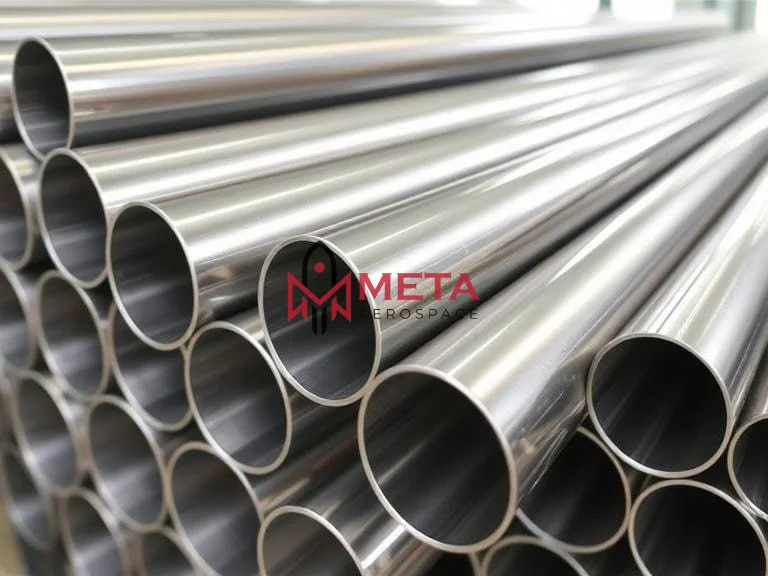
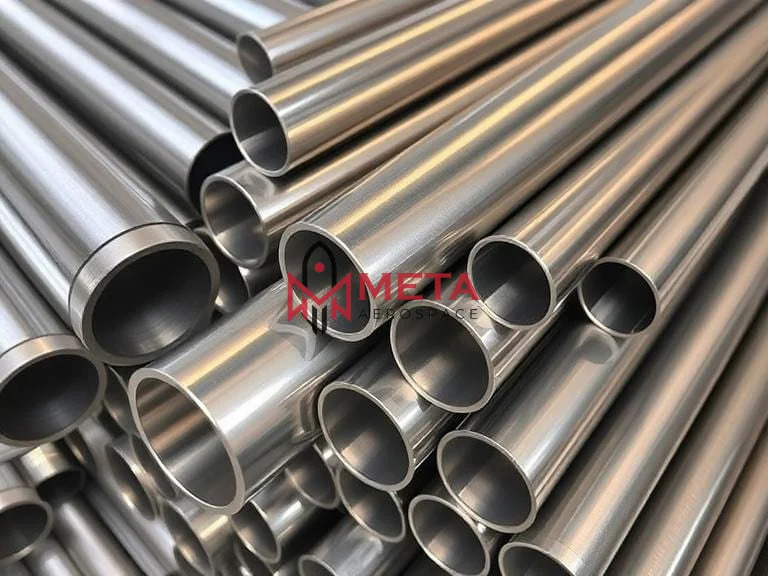
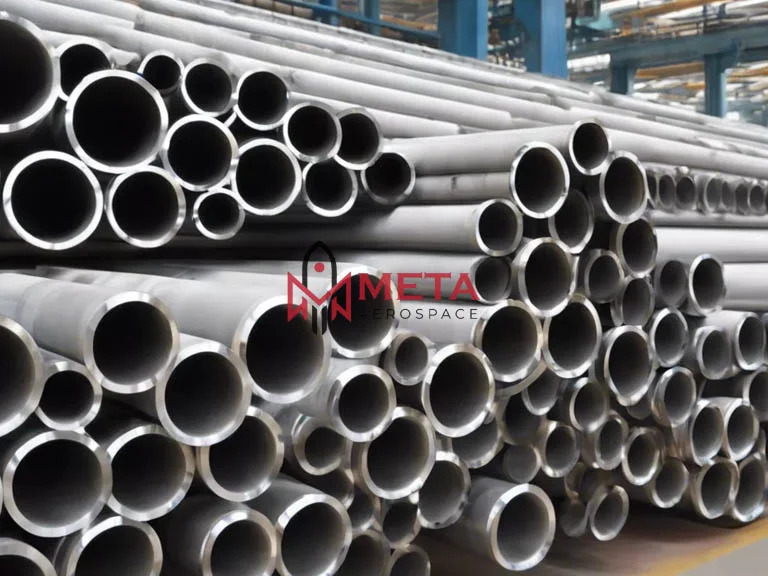
Superior Material and FinishManufactured from high-grade SS304 stainless steel, these pipes offer impressive strength and anti-corrosive properties. The manual polished surface ensures a refined appearance and lasting protection in challenging environments, ideal for structural applications.
Versatile Application and ConnectionDesigned as round structure pipes, the SS304 variant is flexible for diverse uses in infrastructure, fabrication, and industrial settings. With threaded ends and weldable connections, installation is straightforward, adapting to many project requirements.
FAQs of Stainless Steel 304 Pipes:
Q: How are Stainless Steel 304 Pipes installed in structural applications?
A: These pipes can be installed using threaded or welded connections. Their threaded ends allow for secure attachment, while the materials compatibility with welding ensures robust joins for various structural setups.
Q: What advantages does the SS304 grade offer over other materials?
A: SS304 is highly valued for its excellent corrosion resistance, durability, and strength. It is particularly suitable for environments exposed to moisture or chemicals, making it a preferred choice for long-term structural integrity.
Q: When is it recommended to use manually polished Stainless Steel 304 Pipes?
A: Manually polished SS304 pipes are recommended when a high-quality surface finish is required, such as in visible architectural structures or demanding industrial projects where enhanced aesthetics and corrosion resistance are critical.
Q: Where can Stainless Steel 304 Pipes be sourced in India?
A: These pipes are available from exporters, manufacturers, suppliers, and traders across India. Many reputable companies offer extensive ranges, ensuring quick access to the right specifications for your needs.
Q: What is the manufacturing process for these SS304 pipes?
A: Stainless Steel 304 Pipes are produced using hot rolled techniques, which enhance strength and workability. After forming, they undergo manual polishing to achieve a smooth, attractive surface finish.
Q: How should these pipes be used for optimal performance in construction?
A: For optimal results in construction projects, use the pipes as structural supports, railings, or frameworks, ensuring correct connection via welding or threading and leveraging their corrosion-resistant properties for longevity.
Q: What key benefits do Stainless Steel 304 Pipes provide for industrial users?
A: Industrial users benefit from their high resilience to corrosion, robust physical properties, ease of installation, and versatility, greatly reducing maintenance requirements and enhancing the safety and stability of installations.

 Send Inquiry



 Send Inquiry

 Send Inquiry
 English
 Spanish
 French
 German
 Italian
 Chinese (Simplified)
 Japanese
 Korean
 Arabic
 Portuguese