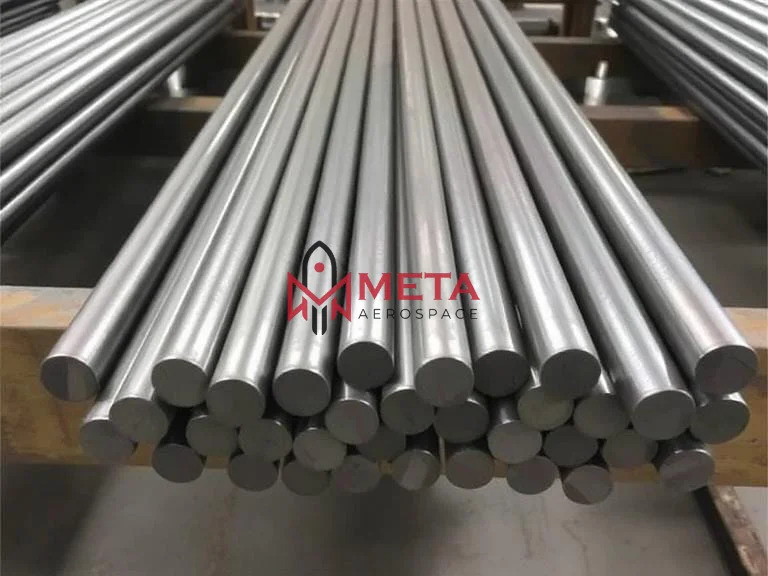
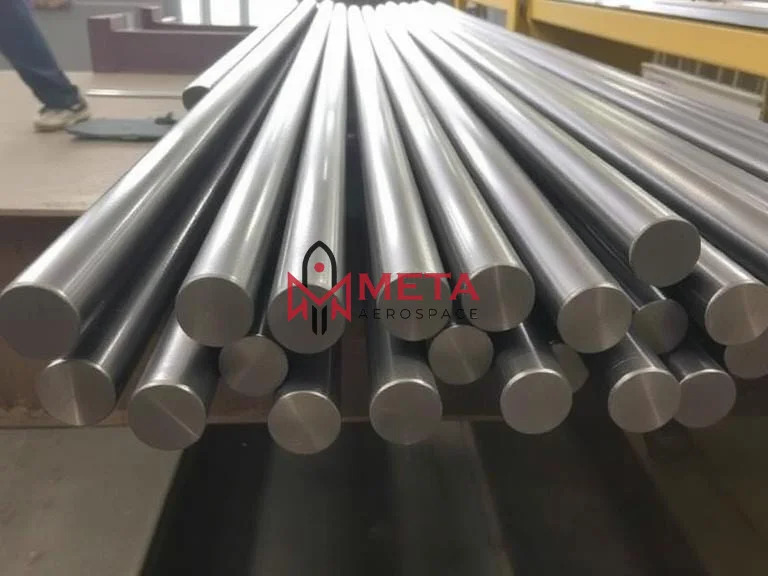
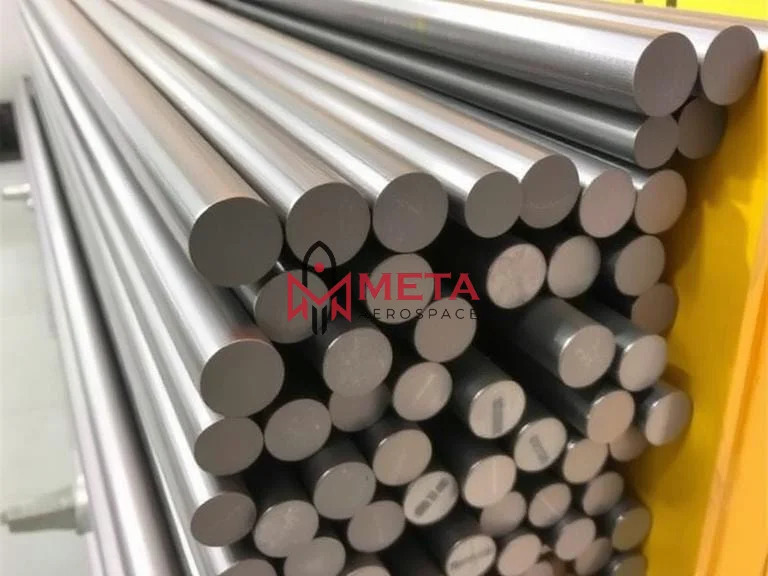
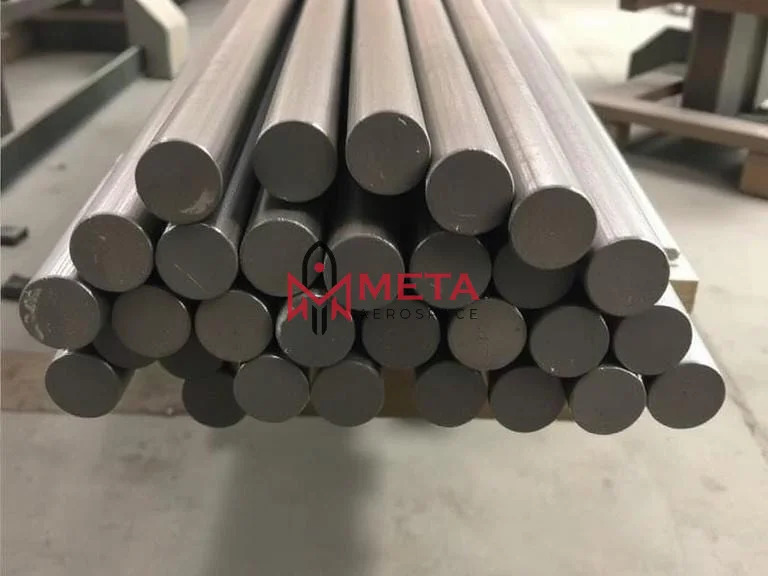
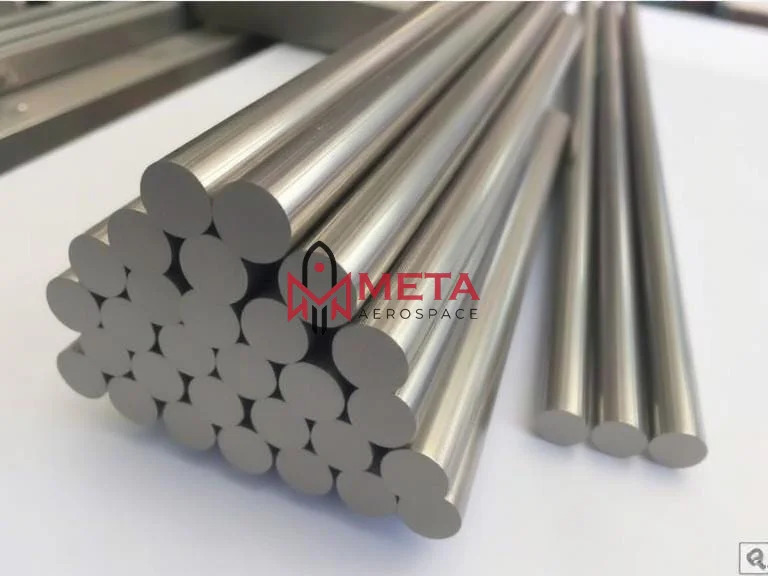
About ASTM A182 Gr F91 Alloy Steel Bars
What Are Specification ASTM A182 Gr F91 Alloy Steel Bars?
| Specification : | EN, DIN, JIS, ASTM, BS, ASME, AISI |
|---|
| Standard Specification : | ASTM A182 / ASME SA182 |
|---|
| Size : | 5mm to 500mm Dia in 100mm to 6000mm Length |
|---|
| Thickness : | 0.5mm to 500mm Diameter |
|---|
| Diameter : | 10 mm To 200 mm |
|---|
| Length : | 1000 mm Long To 6000 mm Long |
|---|
| Form : | Round, Square, Hex (A/F), Rectangle, Billet, Ingot, Forging Etc |
|---|
| Finish : | Black, Bright Polished, Rough Turned, NO.4 Finish, Matt Finish, BA Finish |
|---|
Equivalent material Of ASTM A182 Gr F91 Alloy Steel Bars?
| STANDARD | WERKSTOFF NR. | UNS |
|---|
| ASTM A182 F91 | 1.4903 | - |
Chemical Composition Of ASTM A182 Gr F91 Alloy Steel Bars?
| Grade | C | Mn | Si | Mo | P | Cr |
|---|
| ASTM A182 F91 | 0.08 - 0.15 | 0.30 - 0.60 | 0.20 - 0.50 | 0.85 - 1.05 | 0.020 | 8.0 - 9.5 |
|---|
Mechanical Properties Of ASTM A182 Gr F91 Alloy Steel Bars?
| Tensile Strength (ksi) min | Elongation (% in 50mm) min | Yield Strength 0.2% Proof (ksi) min |
|---|
| 570 | 23 | 295 |
Superior Heat and Strength PerformanceASTM A182 Gr F91 Alloy Steel Bars are engineered to withstand intense heat and high-pressure environments, making them ideal for use in power plant piping, pressure vessels, and high-temperature service applications. The advanced Cr-Mo-V alloy composition ensures reliability up to 600C, delivering consistent mechanical properties, including high impact value and minimum 15% elongation, for demanding operations.
Versatile Applications Across IndustriesThese alloy steel bars address the needs of a wide range of industries, such as power generation, petrochemical, oil and gas, and industrial engineering. Their availability in multiple shapes, sizes, and finishes means they can be tailored for critical systems including boilers and heat exchangers, ensuring durability and optimal performance under challenging conditions.
FAQs of ASTM A182 Gr F91 Alloy Steel Bars:
Q: How are ASTM A182 Gr F91 Alloy Steel Bars typically delivered?
A: These bars are supplied in a normalized and tempered condition, ensuring optimal mechanical properties for industrial use. Standard export packing is used to protect the product during transit, and bars can be provided in standard lengths of 5 to 6 meters or as cut-to-length, depending on customer requirements.
Q: What are the key benefits of using ASTM A182 Gr F91 Alloy Steel Bars?
A: The main advantages include excellent strength at high temperatures, good machinability, reliable weldability (with preheating recommended), moderate corrosion resistance, and high impact value (40 J min at room temperature). Their robust composition and versatile finishes make them suitable for critical and high-stress engineering applications.
Q: When is it recommended to use these alloy steel bars in engineering projects?
A: ASTM A182 Gr F91 bars are particularly suited for applications involving continuous operation at elevated temperatures, such as power plant piping, boilers, heat exchangers, and pressure vessels in the power generation, petrochemical, and oil & gas sectors.
Q: Where can these bars be sourced and in what forms are they available?
A: These bars are manufactured, exported, and supplied from India, with ready stock available for fast delivery. Customers can order round, square, or hexagonal solid bars in various diameters and thicknesses, finished bright, black, or polished, as required.
Q: What is the standard process for heat treatment of these bars?
A: ASTM A182 Gr F91 Alloy Steel Bars are heat treated by quenching and tempering, followed by normalization. This process ensures they achieve the target tensile strength, hardness (max 250 HB), and durability required for demanding industrial applications.
Q: How should these alloy steel bars be machined and welded?
A: The bars offer good machinability, allowing for precise shaping and finishing. For welding, preheating is advised to ensure proper fusion and to minimize thermal stress, maintaining the mechanical properties and structural integrity of the material.

 Send Inquiry



 Send Inquiry

 Send Inquiry
 English
 Spanish
 French
 German
 Italian
 Chinese (Simplified)
 Japanese
 Korean
 Arabic
 Portuguese