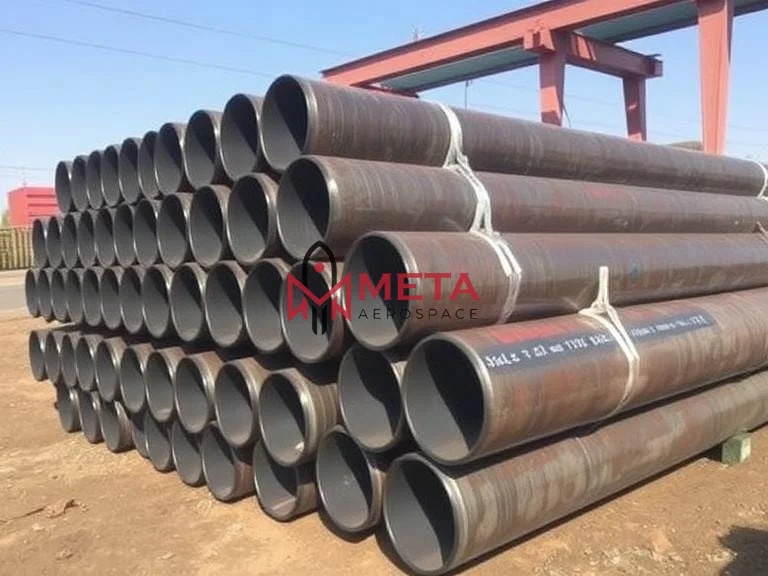
About Carbon ASTM A53 Grade B Pipes
What Are Specification Carbon ASTM A53 Grade B Pipes?
| Specifications | ASTM A53 ASME SA53 |
|---|
| Length | Minimum 3 Meters, Maximum 18 Meters |
|---|
| Type | ERW / Seamless / Fabricated / Welded |
|---|
| Dimensions | ASME, ASTM, and API |
|---|
| Form | Hydraulic, Round, Etc |
|---|
| Size | 1/2 NB to 36 NB |
|---|
| Thickness | 3-12milimeter |
|---|
| Schedules | Schedule 40, 80, 160, XS, XXS |
|---|
| End | Beveled End, Plain End, Treaded |
|---|
Equivalent material Of Carbon ASTM A53 Grade B Pipes?
| DIN | EN | BS | NFA | ASTM | ASME |
|---|
| DIN 17175 Grade St 35-8 | | NFAA 49-215 Grade TU 37-c | ASTM A53 Grade B | ASME SA 53 Grade B | |
Chemical Composition Of Carbon ASTM A53 Grade B Pipes?
| Carbon | Silicon | Manganese | Phosphorous | Sulphur | Molybdenum | Nickel | Chromium | Copper | Others |
|---|
| 0.3 | | 1.2 | 0.05 | 0.045 | 0.15 | 0.4 | 0.4 | 0.4 | V 0.08 |
Mechanical Properties Of Carbon ASTM A53 Grade B Pipes?
| Yield Strength | Tensile Strength | Elongation A5 min |
|---|
| MPa min | ksi min | MPa min | MPa min | ksi min | Percentage |
|---|
| | 415 | | 60 | |
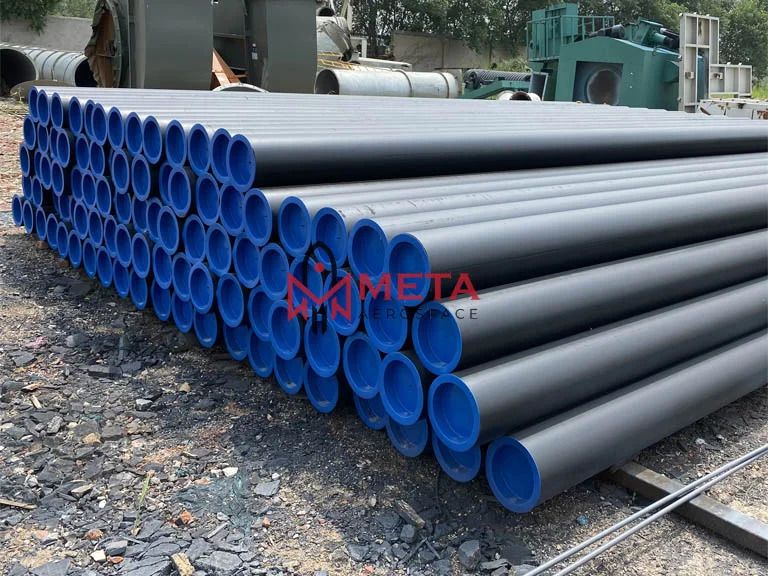
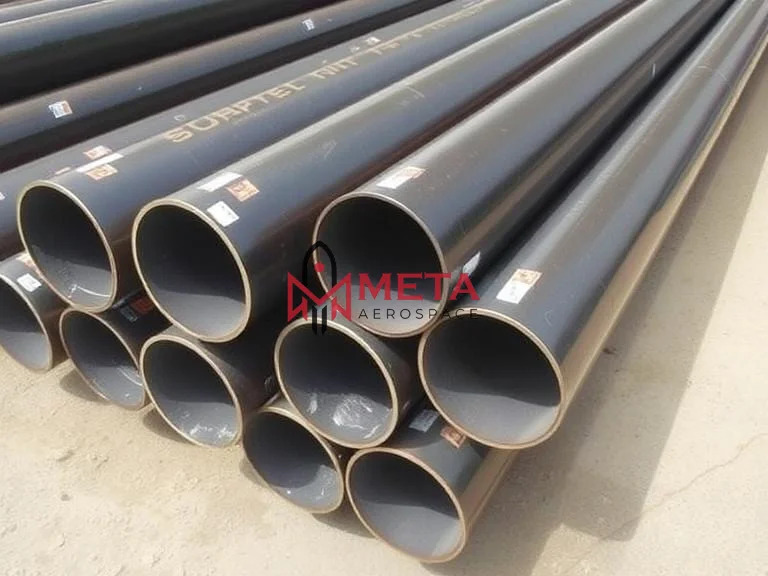
High Performance and DurabilityASTM A53 Grade B pipes are engineered to deliver outstanding strength and durability for industrial operations. These carbon steel pipes undergo comprehensive heat treatmentsnormalizing, stress relief, or annealingto enhance mechanical properties. Each pipe passes stringent hydrostatic and impact testing, ensuring reliable performance even under demanding conditions.
Versatile Applications and CompatibilityWhether used in oil & gas, water transmission, structural, or construction projects, these pipes offer compatibility with different processes including welding, threading, and flanging. Their round section shape and multiple connection options make them a preferred choice for diverse mechanical and industrial requirements.
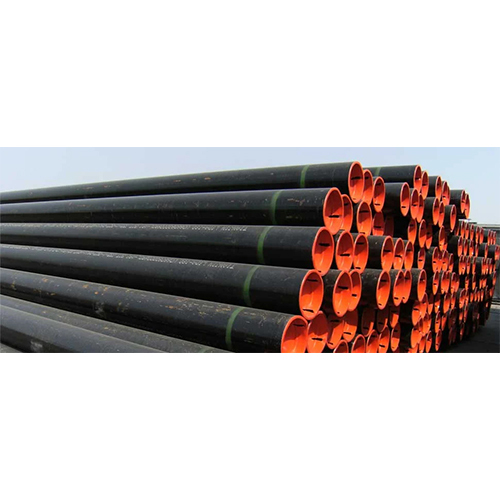
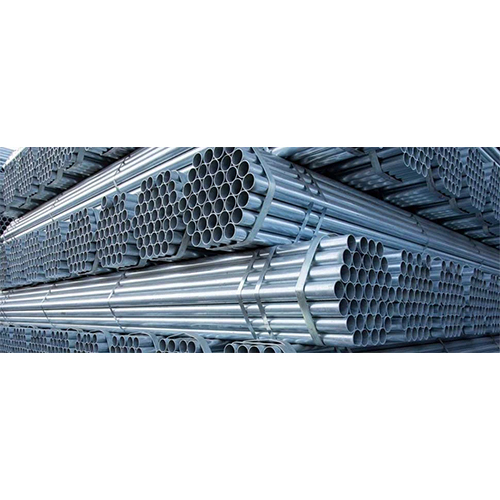
Corrosion Protection for LongevityAdvanced protective coatingssuch as epoxy, 3LPE, FBE, bitumen, and zincprovide robust corrosion resistance, making these pipes suitable for harsh environments. The surface finish options of painted, polished, black, or oiled further enhance their durability and service life, reducing maintenance needs.
FAQs of Carbon ASTM A53 Grade B Pipes:
Q: How are Carbon ASTM A53 Grade B pipes manufactured?
A: These pipes are produced using continuous weld, electric resistance welded (ERW), or seamless manufacturing processes. Each pipe is hot rolled or cold drawn before undergoing heat treatment processes like normalization, stress relief, or annealing for improved strength and reliability.
Q: What applications are Carbon ASTM A53 Grade B pipes suitable for?
A: These pipes are used in a wide array of industries, including oil & gas, water transmission, construction, structural, mechanical, and plumbing sectors, thanks to their robustness and adaptability to different connection types.
Q: When should I choose a specific coating for these pipes?
A: The choice of coatingsuch as epoxy, 3LPE, FBE, bitumen, or zincdepends on the environmental conditions and required corrosion resistance. For aggressive or corrosive environments, high-performance coatings like 3LPE or FBE are recommended.
Q: Where are these pipes typically installed?
A: Carbon ASTM A53 Grade B pipes are commonly installed in infrastructure projects, pipelines, industrial facilities, and structural frameworks worldwide, with a strong supply from manufacturers and exporters in India.
Q: What is the benefit of using ASTM A53 Grade B certified pipes?
A: Pipes certified to ASTM A53 Grade B ensure strict adherence to international quality and safety standards, offering reliable mechanical properties, proven performance, and full documentation with EN 10204/3.1B test certificates.
Q: How can these pipes be connected or joined?
A: The pipes are compatible with various joining methods such as butt welding, plain end, beveled end, or threaded connections. This flexibility allows easy integration into existing systems and structures.
Q: What is the process for ensuring quality and safety of these pipes?
A: Each pipe undergoes comprehensive testing, including hydrostatic pressure tests up to 7 MPa and impact testing as per standard requirements. Marking and certification further guarantee traceability and compliance with global standards.

 Send Inquiry



 Send Inquiry

 Send Inquiry
 English
 Spanish
 French
 German
 Italian
 Chinese (Simplified)
 Japanese
 Korean
 Arabic
 Portuguese