
Call: 07313726336
 Send Inquiry

| Standards : | ASTM, ASME |
|---|---|
| Designation : | A 403, SA 403 |
| Dimension Standard : | ASME/ANSI B16.9, ASME B16.28, MSS-SP-43 |
| Grade : | Stainless Steel 304L Buttweld Pipe Fittings, SS 304L Butt weld |
| Type : | Seamless, Welded |
| Thickness : | Sch 5s, Sch 10s, Sch 40s, Sch 80s, Sch 160s, Sch XXS |
| Size : | 1/2" to 24" |
| Two Joint / Two Halve 304 Butt weld Fittings Size : | 6" to 48" |
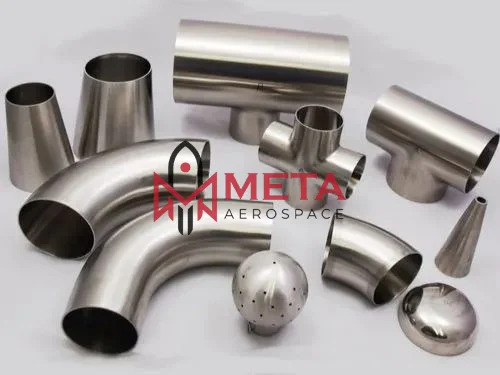
| Types of Butt weld Fittings : | Equal Tee, Nipple, Long Radius Elbow, Reducing Tee, Elbows, Swage Nipple, Short Radius Elbow, Reducer, Barrel Nipple, 90 Deg Elbow, Concentric Reducer, Reducing Nipple, 45 Deg Elbows, Eccentric Reducer, Bend, 180 Deg Elbow, End Cap, 1D Elbow, 3D Elbow, Stubend, 5D Elbow, Cap, Piggable Bend, Long Stubend, Tee, Short Stubend, Long Radius Bend |
| STANDARD | WERKSTOFF NR. | UNS | JIS | BS | GOST | AFNOR | EN |
|---|---|---|---|---|---|---|---|
| SS 304 | 1.4301 | S30400 | SUS 304 | 304S31 | 081810 | Z7CN1809 | X5CrNi18-10 |
| SS 304L | 1.4306 / 1.4307 | S30403 | SUS 304L | 3304S11 | 031811 | Z3CN1810 | X2CrNi18-9 / X2CrNi19-11 |
| Grade | C | Mn | Si | P | S | Cr | Mo | Ni | N |
|---|---|---|---|---|---|---|---|---|---|
| SS 304 | 0.08 max | 2 max | 0.75 max | 0.045 max | 0.030 max | 18 20 | 8 11 | ||
| SS 304L | 0.035 max | 2 max | 1.0 max | 0.045 max | 0.030 max | 18 20 | 8 13 |
| Grade | Density | Melting Point | Tensile Strength | Yield Strength (0.2%Offset) | Elongation |
|---|---|---|---|---|---|
| SS 304 | 8.0 g/cm3 | 1400 C (2550 F) | Psi 75000 , MPa 515 | Psi 30000 , MPa 205 | 35 % |
| SS 304L | 8.0 g/cm3 | 1400 C (2550 F) | Psi 75000 , MPa 515 | Psi 30000 , MPa 205 | 35 % |

Price:
Flexibility : Rigid
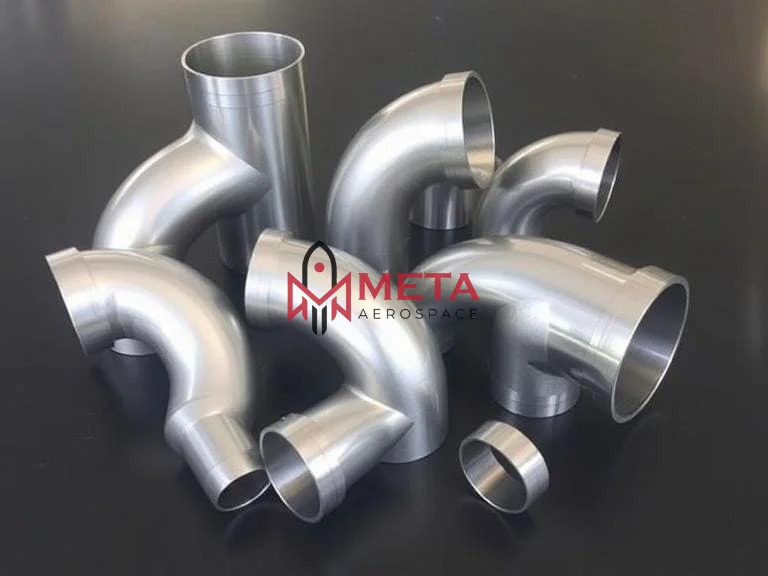
Connection Type : Buttweld / Socket weld / Threaded
Material : Other , Stainless Steel 317/317L
Standard : Other, ASTM A403 / ASME SA403
Material Grade : SS 317/317L
Section Shape : Round
Flexibility : Rigid
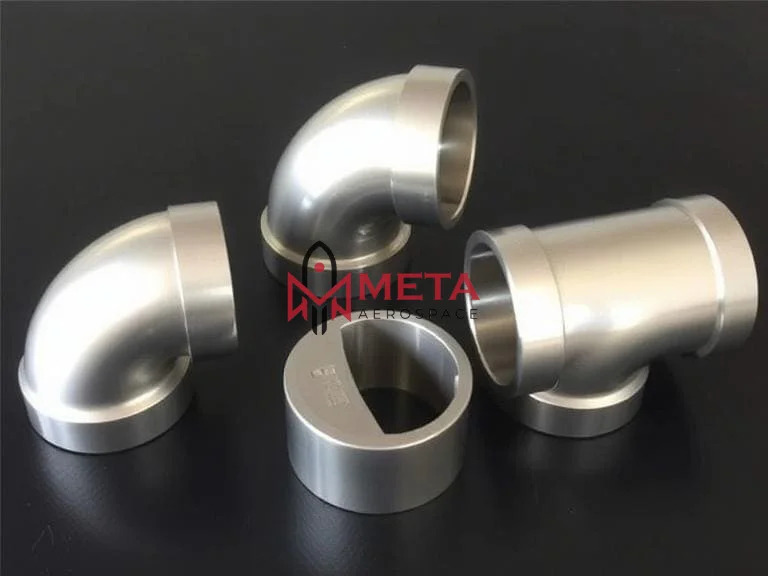
Connection Type : Welded / Threaded / Flanged
Material : Other , Stainless Steel 310/310S
Standard : Other, ASTM A403 / ASME SA403
Material Grade : SS 310 / SS 310S
Section Shape : Round
Flexibility : Rigid
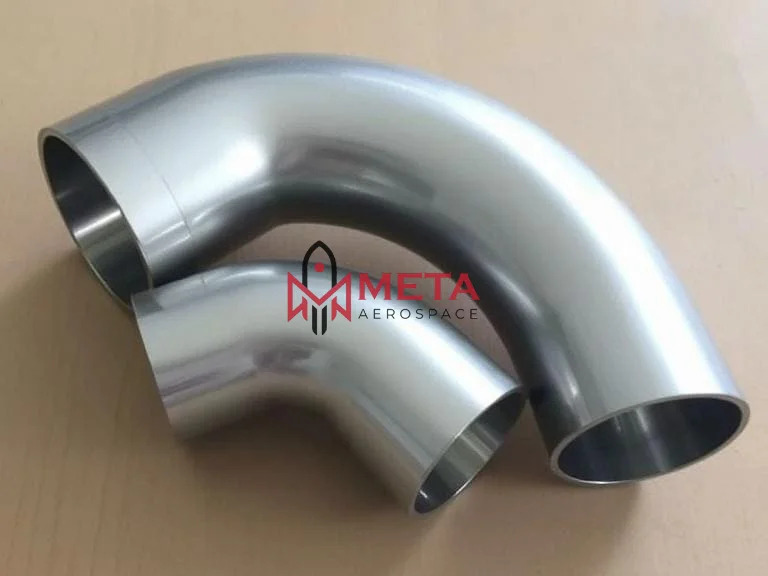
Connection Type : Threaded or Socket Weld
Material : Stainless Steel
Standard : Other, ASTM A182 / ASME SA182
Material Grade : 304, 304L, 316, 316L, 321, 347, 310, etc.
Section Shape : Round
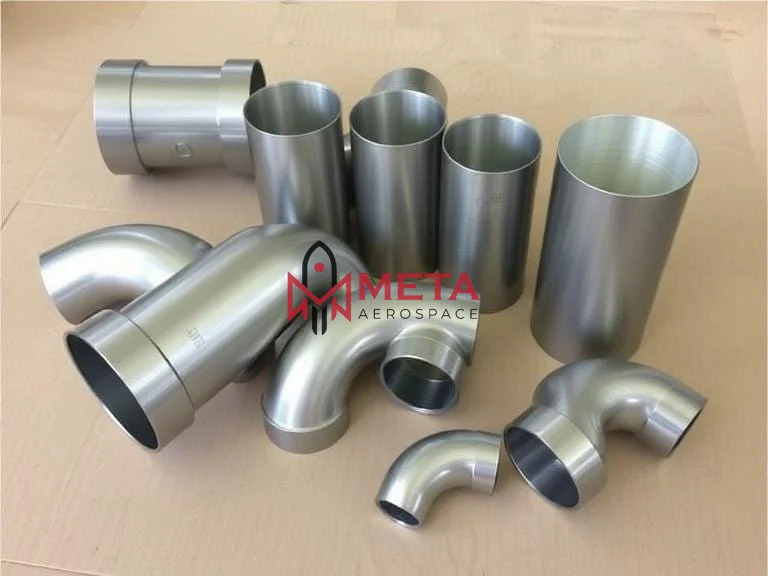
Flexibility : Rigid
Connection Type : Butt Weld / Socket Weld / Threaded
Material : Stainless Steel
Standard : Other, ASTM A403 / ASME SA403
Material Grade : 316, 316L, 316H
Section Shape : Round
GST : 27CZGPS6863N1ZC


 Send Inquiry


 Send Inquiry
 English
 Spanish
 French
 German
 Italian
 Chinese (Simplified)
 Japanese
 Korean
 Arabic
 Portuguese
