About Stainless Steel 321H Pipes
What Are Specification Stainless Steel 321H Pipes?
| ASTM / ASME Name | ASTM A 312 ASME SA 312 / ASTM A 358 ASME SA 358 |
|---|
| Dimensions Standard | ASTM, ASME and API |
|---|
| Stainless Steel 321H Seamless Pipes Size Range | 0.5 NB 16 NB |
|---|
| ERW 321H Pipes | 1/2 NB 24 NB |
|---|
| EFW 321H Pipes | 6 NB 100 NB |
|---|
| OD Sizes | 0.5NB TO 30NB IN |
|---|
| Specialized in | Large Diameter Size |
|---|
| Schedule | SCH20, SCH30, SCH40, STD, SCH80, XS, SCH60, SCH80, SCH120, SCH140, SCH160, XXS |
|---|
| Frequently Used Type | Seamless / ERW / Welded / Fabricated / LSAW Pipes |
|---|
| Available Pipes Form | Round |
|---|
| Stainless Steel 321H Seamless Pipes Stock Length | Single Random, Double Random & Cut Length. |
|---|
| Stainless Steel 321H Seamless Pipes End Finishing | Plain End, Beveled End, Treaded End |
|---|
Equivalent material Of Stainless Steel 321H Pipes?
| Standard | Unified Numbering System | Werkstoff Nr. | European Standards | Japanese Standards |
|---|
| Stainless Steel 321H Pipe | S32100 | 1.4541 | X6CrNiTi18-10 | SUS 321 |
|---|
Chemical Composition Of Stainless Steel 321H Pipes?
| Grade | Carbon | Silicon | Manganese | Nitrogen | Phosphorous | Sulphur | Nickel | Chromium | Titanium |
|---|
| Stainless Steel 321H Pipe | 0.08 | 1 | 2 | 9 - 12 | 0.045 | 0.030 | 0.10 | 17 - 19 | 5(C+N) - 0.70 |
|---|
Mechanical Properties Of Stainless Steel 321H Pipes?
| Density | Melting Point | Yield Strength | Tensile Strength | Elongation |
|---|
| 8.0 g/cm3 | 1457 C (2650 F) | Psi - 30000 , MPa - 205 | Psi - 75000 , MPa - 515 | 35 |
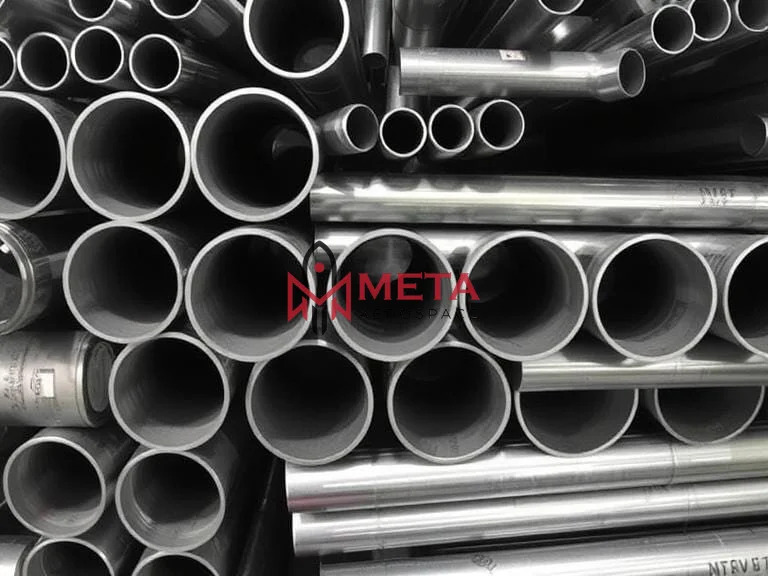
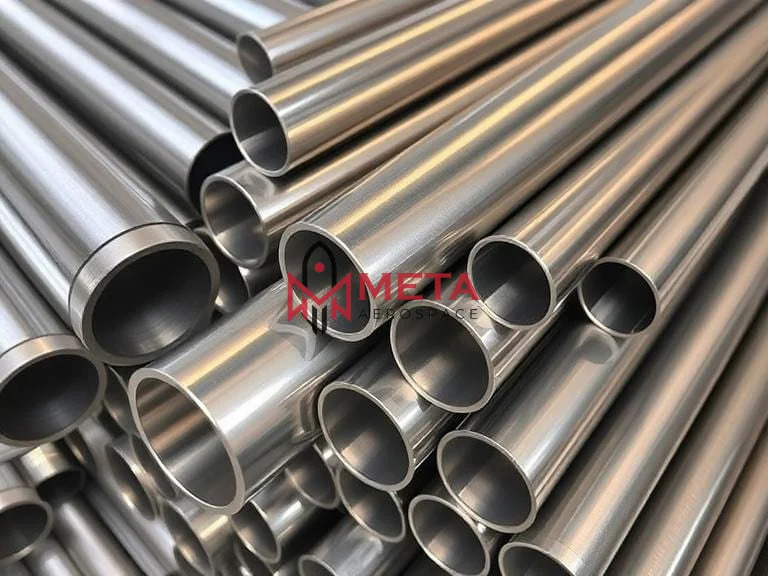
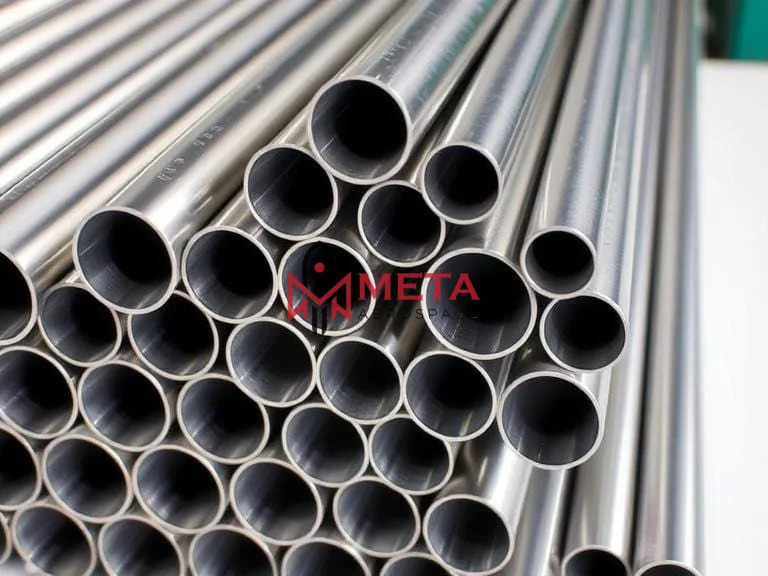
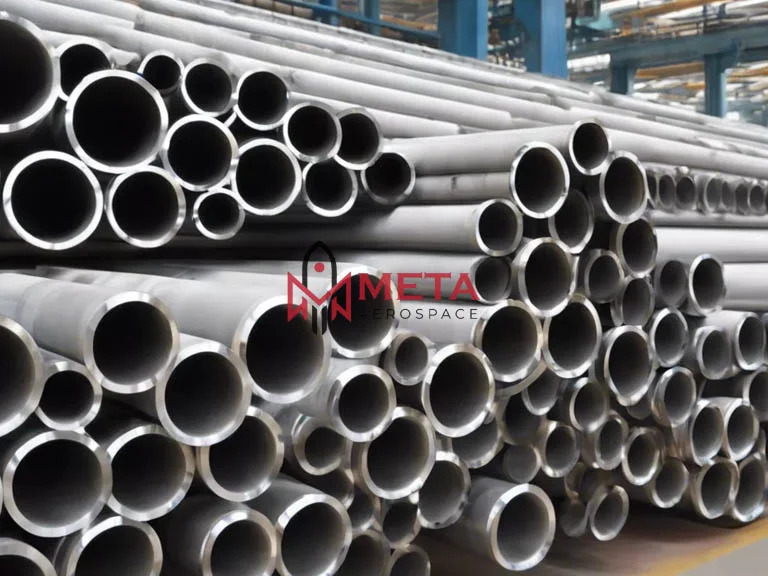
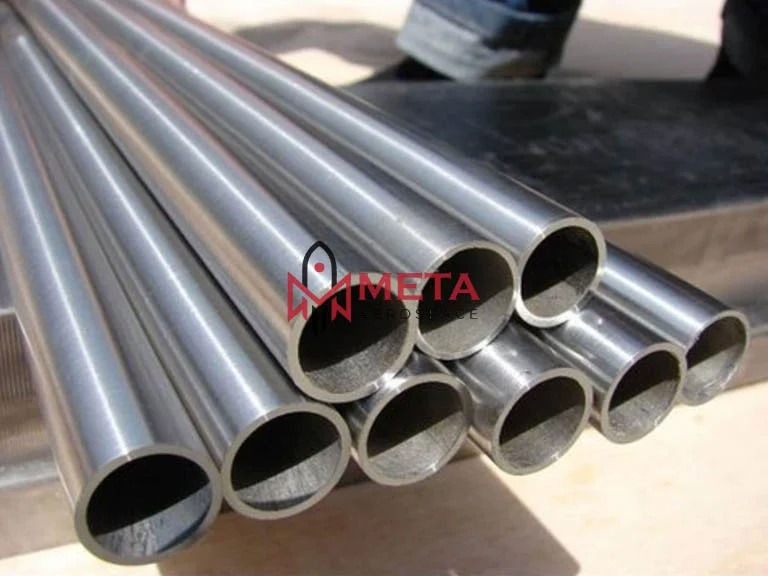
Durable Performance for Demanding IndustriesEngineered from SS321H grade stainless steel and crafted using the hot rolled method, these pipes offer remarkable strength and performance for a range of industrial needs. The polished surface enhances resistance to harsh operating environments, making them ideal for enduring high temperatures and mechanical stress. Their welded connection system ensures reliable, leak-free assembly in structural applications.
Quality Manufacturing and Reliable SupplyOur SS321H pipes are manufactured, supplied, and exported using the highest industry standards in India. The combination of precise hot rolling and manual polishing guarantees superior surface finish and longevity. A 1-year warranty underscores our commitment to product reliability, whether you require bulk supply for construction or custom solutions for unique projects in industrial sectors.
FAQs of Stainless Steel 321H Pipes:
Q: How are Stainless Steel 321H Pipes manufactured for industrial use?
A: These pipes are produced using a hot rolled process, followed by manual polishing. This manufacturing technique improves their mechanical strength and ensures a smooth, polished silver finish well-suited for industrial environments.
Q: What makes SS321H grade pipes suitable for structure pipe applications?
A: SS321H features excellent durability, resistance to high temperatures, and corrosion resilience, making it highly effective for use in industrial structure piping where strength and reliability are essential.
Q: When should Stainless Steel 321H Pipes be used over other grades?
A: SS321H pipes are ideal when your application requires enhanced resistance to heat and oxidation, particularly in environments with frequent thermal cycling or continuous exposure to elevated temperatures.
Q: Where are these pipes commonly supplied and exported from?
A: They are manufactured, supplied, and exported primarily from India, serving a wide domestic and international industrial clientele as traders and suppliers.
Q: What is the process for connecting these pipes in structural applications?
A: The pipes are designed for welding connection, which provides a strong, permanent joint ideal for structural integrity in demanding industrial settings.
Q: How can industries benefit from choosing hot rolled, polished SS321H pipes?
A: Industries benefit from their durability, superior finish, and excellent resistance to environmental stress, which minimizes maintenance needs and extends the lifespan of installations.

 Send Inquiry



 Send Inquiry

 Send Inquiry
 English
 Spanish
 French
 German
 Italian
 Chinese (Simplified)
 Japanese
 Korean
 Arabic
 Portuguese