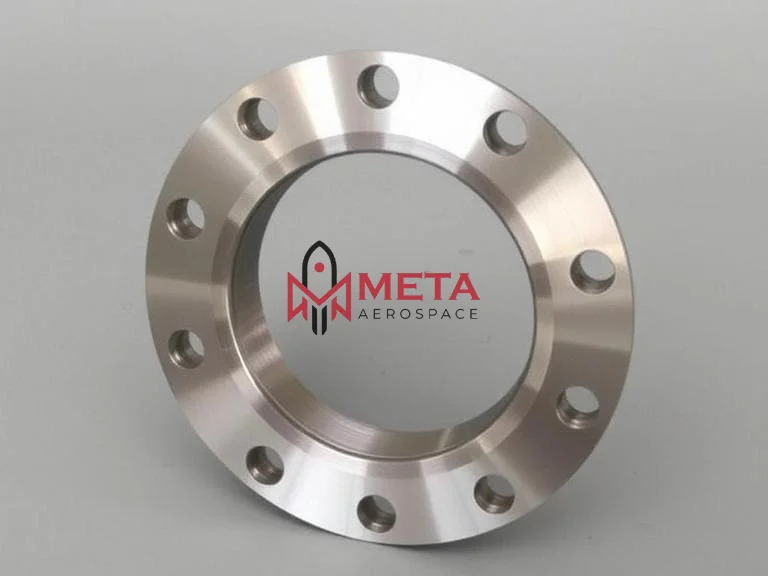
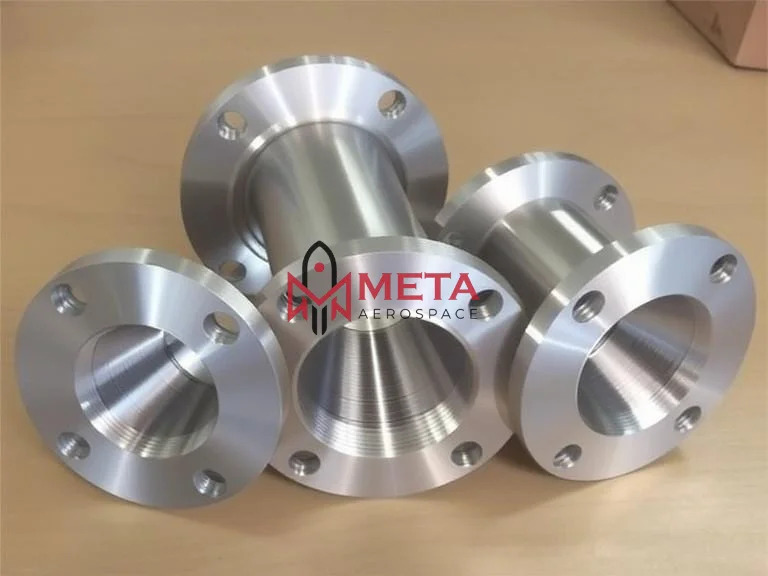
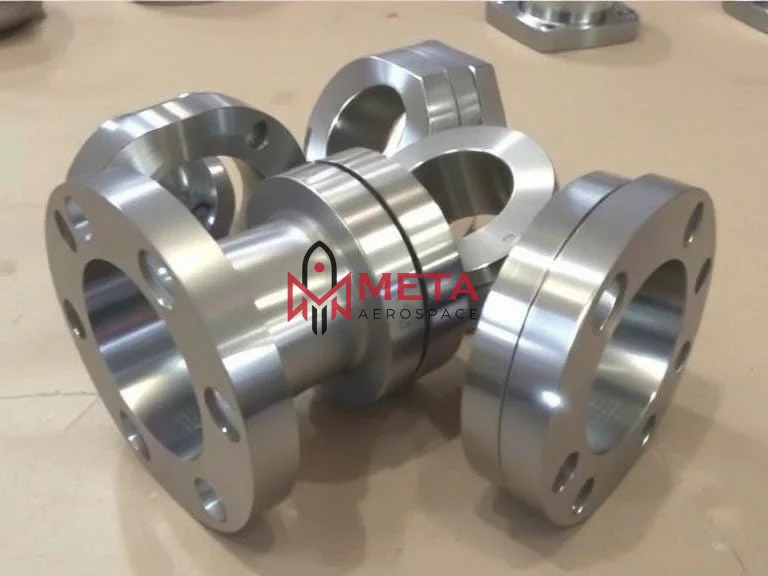
About Duplex Steel S31803S32205 Flanges
What Are Specification Duplex Steel S31803/S32205 Flanges?
| Specifications : | ASTM A182 / ASME SA182 |
|---|
| Dimensions : | ANSI/ASME B16.5, B 16.47 Series A & B, B16.48, BS4504, BS 10, EN-1092, DIN, etc. |
|---|
| Size : | 1/8" NB TO 24" NB |
|---|
| Class / Pressure : | 150#, 300#, 600#, 900#, 1500#, 2500#, PN6, PN10, PN16, PN25, PN40, PN64 etc. |
|---|
| Flange Face Type : | Flate Face (FF), Raised Face (RF), Ring Type Joint (RTJ) |
|---|
| Grades : | S31803 / S32205 A182 Gr F51 / F52 / F53 / F54 / F55 / F57 / F59 / F60 / F61 |
|---|
Equivalent material Of Duplex Steel S31803/S32205 Flanges?
| STANDARD | UNS | WERKSTOFF NR. |
|---|
| Duplex S31803 | S31803 | 1.4462 |
|---|
| Duplex S32205 | S32205 | 1.4462 |
|---|
Chemical Composition Of Duplex Steel S31803/S32205 Flanges?
| S31803 / S32205 | C | N | P | Si | Mn | Mo | Fe | Cr | S | Ni |
|---|
| 1.0 | 0.03 | 0.02 | 2.0 | 3.0 - 3.5 | 22.0 - 23.0 | 0.03 | 4.5 - 6.5 | 0.14 - 0.2 | Bal |
Mechanical Properties Of Duplex Steel S31803/S32205 Flanges?
| S31803 / S32205 | Density | Melting Point | Yield Strength (0.2%Offset) | Tensile Strength | Elongation |
|---|
| 7.8 g/cm3 | 1350 °C (2460 °F) | Psi - 80000 , MPa - 550 | Psi - 116000 , MPa - 800 | 15 % |
Optimal Material for Challenging EnvironmentsDuplex Steel S31803/S32205 flanges are engineered for demanding applications where both high strength and resistance to harsh corrosive environments are essential. Their microstructure provides excellent durability, especially under exposure to chlorides, making them preferred choices for industries like oil & gas, water treatment, and marine engineering.
Manufacturing Excellence and Precise EngineeringThese flanges are produced through hot forging, stringent heat treatment, and precision machining. This meticulous process ensures each product meets the rigorous international standards such as ASTM A182 and ASME SA182 while providing reliable performance in high-pressure and high-temperature conditions.
Versatile Connections and Standards ComplianceAvailable with Raised Face (RF), Flat Face (FF), and Ring Type Joint (RTJ) end connections, the flanges fit a wide range of piping systems and pressure classes. Compliance with global standards like ANSI, DIN, and JIS ensures seamless integration in diverse projects and industries across the globe.
FAQs of Duplex Steel S31803S32205 Flanges:
Q: How are Duplex Steel S31803/S32205 flanges manufactured?
A: These flanges are manufactured using a combination of hot forging, heat treatment, and precision machining. This process enhances their mechanical properties, such as strength and durability, while meeting the required standards and specifications for industrial use.
Q: What industries commonly use Duplex Steel S31803/S32205 flanges?
A: These flanges are widely used in oil & gas, petrochemical, power plants, chemical processing, water treatment, and marine engineering due to their high strength, corrosion resistance, and suitability for harsh environments.
Q: When should I choose Duplex Steel S31803/S32205 flanges over standard stainless steel flanges?
A: Duplex Steel flanges are ideal when your application demands superior resistance to chloride stress corrosion and greater mechanical strength, especially under higher pressures and temperatures ranging from -50C to +300C.
Q: Where can these Duplex steel flanges be installed?
A: They can be installed in piping systems within refineries, offshore platforms, water treatment facilities, and chemical plantsessentially any setting where durability and resilience to corrosive elements are required.
Q: What benefits do Raised Face (RF), Flat Face (FF), and Ring Type Joint (RTJ) end connections provide?
A: These end connections offer flexibility to suit different sealing and pressure requirements, ensuring secure and leak-free joints in a wide range of industrial fluid systems.
Q: How does the corrosion resistance of these flanges enhance operational life?
A: With excellent resistance to chloride-induced stress corrosion, these flanges greatly reduce the risk of premature failure, ensuring longevity and reducing maintenance needs in aggressive environments.
Q: What packaging options are available for shipping these flanges?
A: For safe transportation, flanges are securely packed in plywood cases or pallets, protecting them from mechanical damage and corrosion during transit.

 Send Inquiry



 Send Inquiry

 Send Inquiry
 English
 Spanish
 French
 German
 Italian
 Chinese (Simplified)
 Japanese
 Korean
 Arabic
 Portuguese