About EN 10216-2 P235GH Pipes
What Are Specification EN 10216-2 P235GH Pipes?
| Steel grades used | - EN 10217-1 grades: P195TR1, P235TR1, P265TR2 P195TR2, P235TR2, P265TR2
- EN10217-2 grades:P195GH,P235GH,P265GH,16Mo3
- EN 10217-3 grades:P275NL1,P355N,P355NH,P460N...
- EN 10217-4 grades:P215NL,P265NL
- EN 10217-5 grades: P235GH,P265GH,16Mo3
- EN 10217-6 grades:P215NL,P265NL
- EN 10217-7 grades:1.4301(X5CrNi18-10),1.4404(X5CrNiMo17-12-2)
|
|---|
| Dimensions and tolerances | For the outside diameter D219,1 D +/-0,75 % or +/- 6 mm depending on which value is greater. The tolerances applied to wall thickness depend on the wall T For T5 +/-8 % or 2 mm (depending on which value is greater) |
|---|
| Pipe lengths | Pipes with precise lengths are manufactured with the following tolerance values: for D406,4- for pipes 0- 6m -0/+25%- for pipes 6-12m -0/+50%- for pipes longer than 12m -0/to be negotiated |
|---|
| Tightness | Pipes should be subject to water testing (7Mpa) or electromagnetic testing. |
|---|
| Straightness | < 0,0015 of pipe length (below 3mm per every meter of pipe length) |
|---|
| Tests | Mandatory tests: ladle analysis, tensile testing, transverse tensile testing of the weld > 508, tightness testing, dimension verification, visual inspection, NDT of the weld
Optional tests: transverse tensile testing of the weld D= 219,1- 508, wall thickness measurement at a distance from pipe ends |
|---|
Equivalent material Of EN 10216-2 P235GH Pipes?
| DIN | EN | BS | NFA | ASTM | ASME |
|---|
| EN 10216-2 Grade P235GH | | | | |
Chemical Composition Of EN 10216-2 P235GH Pipes?
| Carbon | Silicon | Manganese | Phosphorous | Sulphur | Molybdenum | Nickel | Chromium | Copper | Others |
|---|
| max 0.16 | max 0.35 | max 1.20 | 0.025 | 0.01 | max 0.08 | max 0.30 | max 0.30 | max 0.30 | V max 0.02 Ti max 0.04 Al min 0.020 |
Mechanical Properties Of EN 10216-2 P235GH Pipes?
| Yield Strength | Tensile Strength | Elongation A5 min |
|---|
| MPa min | ksi min | MPa min | MPa min | ksi min | Percentage |
|---|
| | 360 | 500 | | 25 |
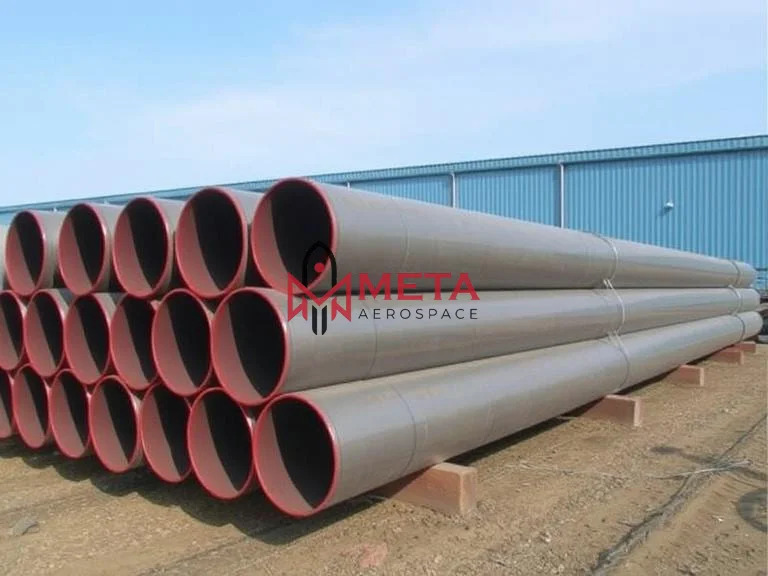
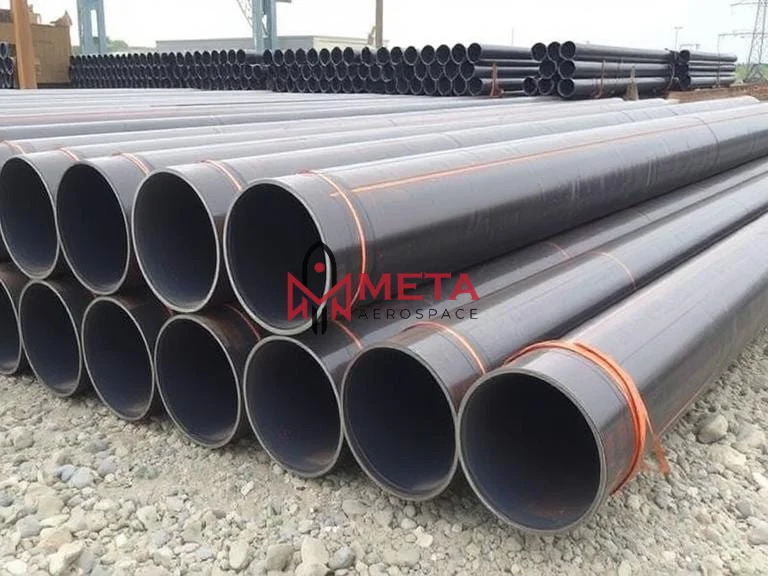
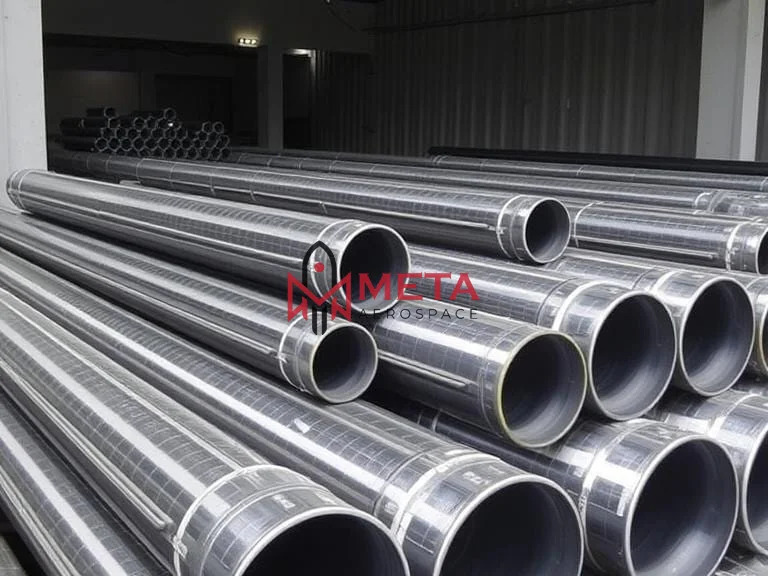
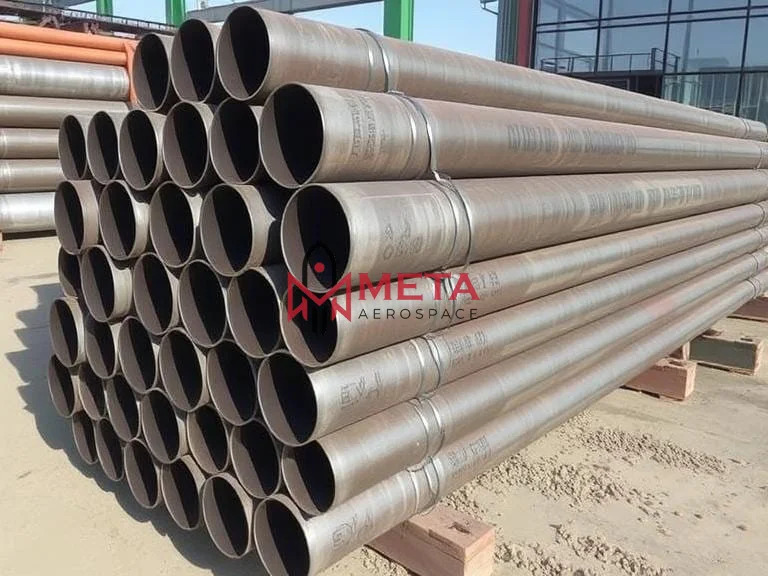
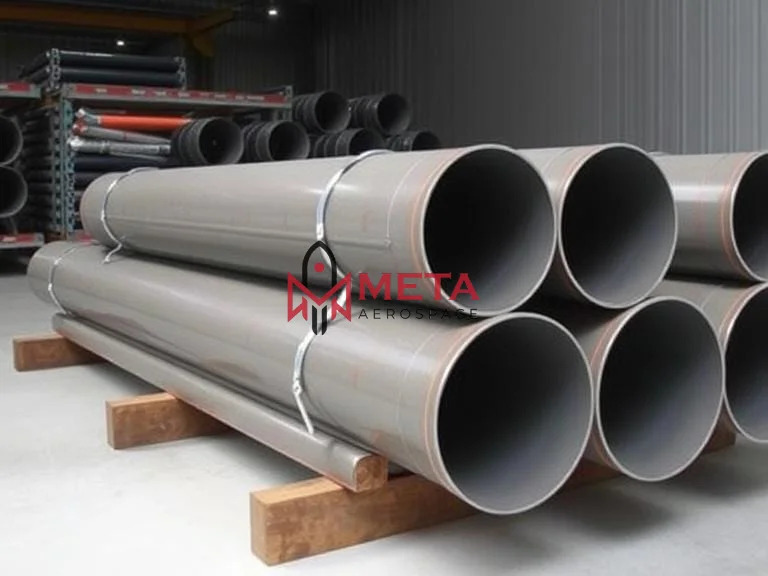
Exceptional Construction for High-Temperature ApplicationsEN 10216-2 P235GH pipes stand out for their robust carbon steel composition and seamless structure, making them ideal for high-temperature environments like boilers, heat exchangers, and power plants. The pipes are processed by hot finishing or cold drawing, ensuring precise tolerances and reliable mechanical properties. Each pipe is delivered with plastic end caps and bundled securely, providing protection and ease of handling during transport and installation.
Comprehensive Testing Ensures Quality and SafetyEach P235GH pipe undergoes a rigorous series of tests, including hydrostatic, eddy current, ultrasonic, dimensional, and visual inspections. Compliance with EN 10216-2 standards ensures that every batch meets strict specifications for strength, chemical composition, and impact resistancecrucial qualities for pressure applications. Additionally, test certificates are supplied in accordance with the customers order, verifying material quality and traceability.
Customizable and Versatile for Multiple IndustriesAvailable in a wide range of sizes (10.2 mm to 711 mm in diameter) and thicknesses (1.6 mm to 60 mm), these pipes can be supplied with bare, black paint, or anti-corrosion oil finishes. Suitable for welding connections, the pipes offer flexibility in various design and assembly processes. With rated pressure capabilities up to 320 bar and operational temperatures from -20C to +400C, P235GH pipes deliver outstanding performance across petrochemical, energy, and industrial sectors.
FAQs of EN 10216-2 P235GH Pipes:
Q: How are EN 10216-2 P235GH pipes manufactured?
A: These pipes are produced using either hot finished or cold drawn seamless processes. The pipes are subsequently normalized or delivered as-rolled, ensuring consistent mechanical properties and enhanced durability suitable for high-temperature service.
Q: What inspection tests are performed on EN 10216-2 P235GH pipes?
A: Each pipe undergoes hydrostatic testing, non-destructive testing (including eddy current and ultrasonic as per EN requirements), as well as dimensional and visual inspections to ensure compliance with EN 10216-2 standards.
Q: When is a test certificate provided for these pipes?
A: A test certificate is issued with every order, detailing the results of chemical, mechanical, and non-destructive tests, and it is provided as per customer requirements to guarantee full traceability and compliance.
Q: Where are EN 10216-2 P235GH pipes typically used?
A: These pipes are primarily utilized in high-temperature applications such as boilers, heat exchangers, petrochemical plants, power generation facilities, and pressure vessels due to their dependable strength and resilience.
Q: What is the process for marking and packing the pipes?
A: Pipes are marked as per standard requirements, displaying manufacturers name, grade, size, and heat number. They are packed in bundles with plastic caps on both ends and secured with strapping for damage protection during transit.
Q: How does the chemical composition of P235GH pipes enhance their performance?
A: The carbon steel composition (C 0.16%, Si 0.35%, Mn 0.601.20%, P 0.025%, S 0.010%) offers excellent mechanical properties, making the pipes suitable for high pressures and temperatures while providing good weldability.
Q: What are the main benefits of using EN 10216-2 P235GH pipes?
A: The key advantages include high tensile and yield strength, excellent elongation, reliable pressure and temperature resistance, certified quality, and adaptability in a variety of industrial applications involving demanding operating conditions.

 Send Inquiry



 Send Inquiry

 Send Inquiry
 English
 Spanish
 French
 German
 Italian
 Chinese (Simplified)
 Japanese
 Korean
 Arabic
 Portuguese