Inconel 600 Flanges About
What Are Specification Inconel 600 Flanges?
| Standards | GOST Flange, JISB2220, BS1560-3.1, API7S-15, API7S-43, API605, EN1092, BS, BS4504, BS 10, EN-1092, DIN, ANSI, ASME, DIN, MSS S44, ISO70051, ANSI/ASME B16.5, ASME/ANSI B16.5/16.36/16.47A/16.47B, B16.47 Series A & B, B16.48, EN |
|---|
| Pressure Rating ANSI | Class 1500, Class 150, Class 900, Class 2500, Class 300, Class 600, |
|---|
| Pressure Calculation in DIN | 10Bar, 16Bar, 25Bar, 40Bar, 6Bar, / PN16, PN64, PN40, PN25, PN10, PN6 |
|---|
| JIS | 16 K, 20 K, 5K, 10 K, 40 K, 63 K, 30 K, |
|---|
| UNI | 10Bar 16Bar 6Bar 25Bar 40Bar |
|---|
| EN | 6Bar 25Bar 40Bar 10Bar 16Bar |
|---|
| Most common Types | Threaded / Screwed / Forged / Plate |
|---|
| Production technique | Forged, Heat treated and machined |
|---|
| Shapes and Types we produce | Large Male-Female (LMF), Ring Type Joint (RTJ), Flat Face (FF), Small Tongue, Small Male-Female (SMF),Raised Face (RF), Large Tongue & Groove, Groove, Lap-Joint Face (LJF) |
|---|
| Test | Direct-reading Spectrograph, Magnetic particle detector, Hydrostatic testing machine, X-ray detector, UI trasonic flaw detector |
|---|
| Equipment | Pushing Machine, Press machine, Bending machine, Sand-blasting machine, electric bevelling machine etc |
|---|
Equivalent material Of Inconel 600 Flanges?
| STANDARD | WERKSTOFF NR. | UNS | JIS | BS | GOST | AFNOR | EN |
|---|
| Inconel 600 | 2.4816 | N06600 | NCF 600 | NA 13 | 28-2,5-1,5 | NC15FE11M | NiCr15Fe |
|---|
Chemical Composition Of Inconel 600 Flanges?
| Grade | C | Mn | Si | S | Cu | Fe | Ni | Cr |
|---|
| Inconel 600 | 0.15 max | 1.00 max | 0.50 max | 0.015max | 0.50 max | 6.00 10.00 | 72.00 min | 14.00 17.00 |
|---|
Mechanical Properties Of Inconel 600 Flanges?
| Element | Density | Melting Point | Tensile Strength | Yield Strength (0.2%Offset) | Elongation |
|---|
| Inconel 600 | 8.47 g/cm3 | 1413 C (2580 F) | Psi 95,000 , MPa 655 | Psi 45,000 , MPa 310 | 40 % |
|---|
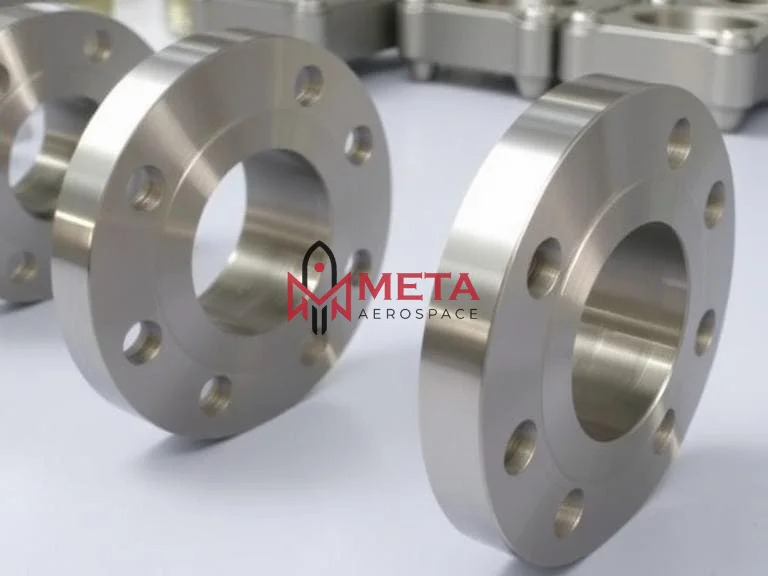
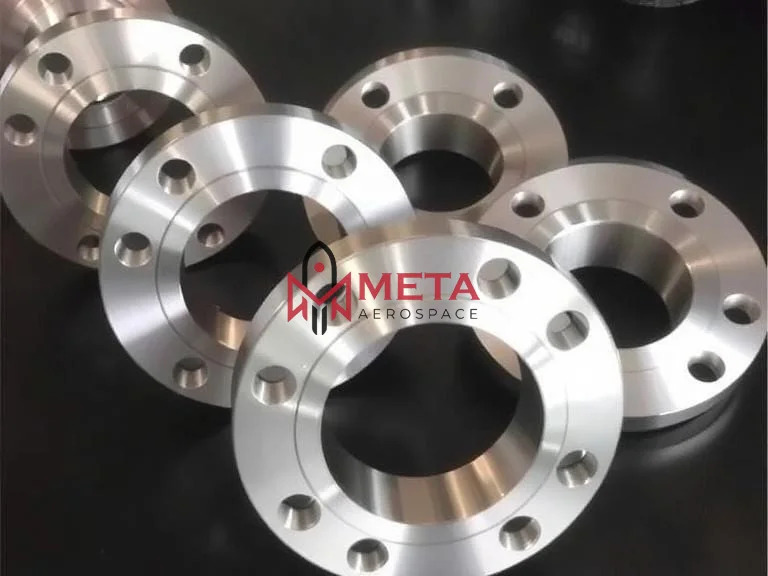
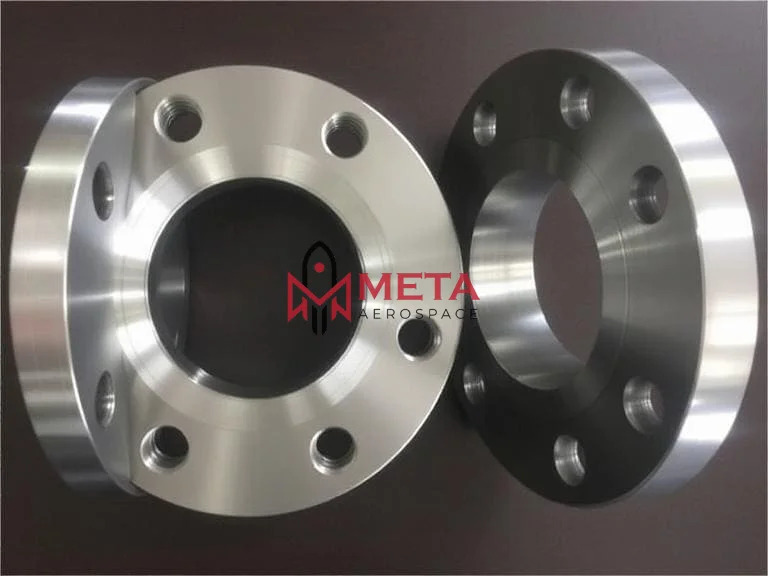
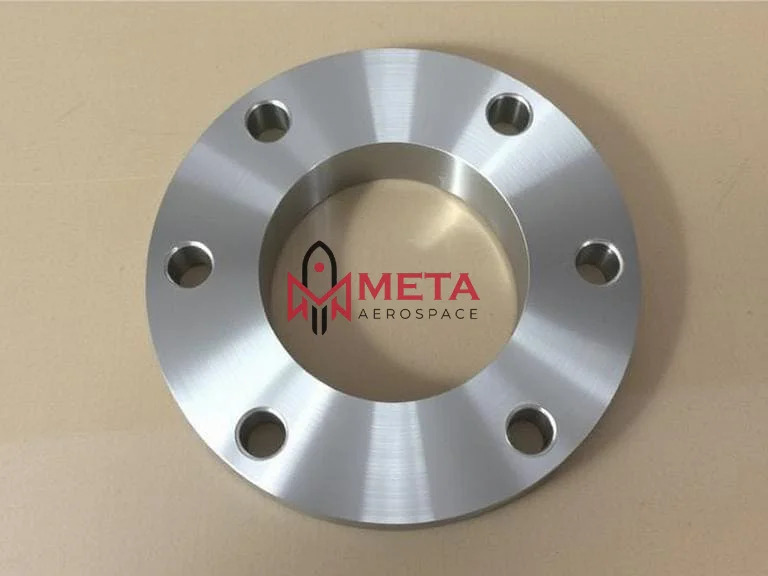
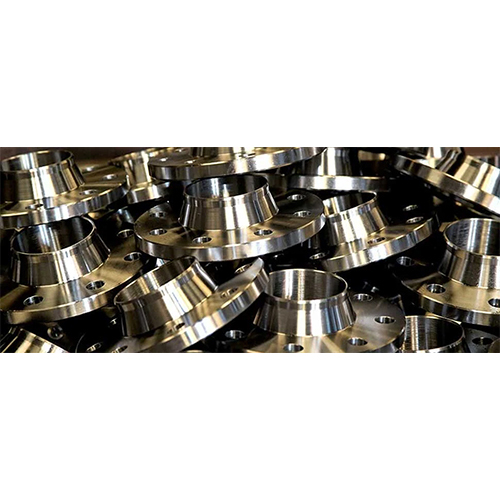
Wide Range of Types and ConnectionsInconel 600 flanges are available in numerous configurations including weld neck, slip on, blind, lap joint, socket weld, threaded, and more. They support various end connections such as raised face, flat face, and ring joint, ensuring versatile compatibility for industrial systems.
Exceptional Mechanical and Chemical PropertiesThese flanges offer a robust combination of mechanical attributessuch as high yield and tensile strength, Rockwell B88 max hardness, and a melting point up to 1413Cwhile maintaining corrosion resistance in aggressive media. Their nickel content ensures stability and purity, optimizing performance in harsh settings.
Customizable Dimensions and Surface FinishesDimensions for Inconel 600 flanges can be tailored according to client requirements or provided in standard sizes (1/2 to 48 inches, DN15~DN1200). They are supplied with polished, mill, bright, matt, or pickled finishes to suit diverse industry standards and aesthetic preferences.
FAQs of Inconel 600 Flanges:
Q: How are Inconel 600 flanges typically installed in industrial piping systems?
A: Inconel 600 flanges can be installed using welded, threaded, slip on, blind, or socket weld connections, depending on the system design and operational requirements. The chosen method ensures a secure, leak-free seal, especially in high-pressure and high-temperature environments.
Q: What benefits do Inconel 600 flanges offer in high-temperature and corrosive environments?
A: These flanges maintain structural integrity and resist oxidation, corrosion, and scaling at temperatures between -196C to 550C. The nickel-chromium alloy provides excellent durability, making them ideal for chemical processing, marine, and power generation applications.
Q: Which standards and certifications apply to Inconel 600 flanges?
A: Inconel 600 flanges conform to international standards like ASTM B564, ASME SB564, DIN, EN, JIS, BS, GB, and GOST, ensuring compatibility and reliability across various geographies and industrial facilities.
Q: When should I choose a specific type of flange (e.g., weld neck vs slip-on)?
A: Select the flange type based on pressure and temperature ratings, pipe alignment, and installation ease. Weld neck flanges provide superior strength for high-pressure applications, while slip-on and threaded flanges are often chosen for moderate pressure systems requiring faster installation.
Q: Where are Inconel 600 flanges commonly used?
A: These flanges are extensively used in oil & gas, petrochemical, marine, power generation, chemical processing, and aerospace sectors, due to their superior resistance to corrosion, heat, and pressure.
Q: What is the general process followed in manufacturing Inconel 600 flanges?
A: Inconel 600 flanges are typically forged and then machined to the desired size and finish. They undergo rigorous quality control measures to meet global standards, ensuring high mechanical performance and corrosion resistance.
Q: What packaging options are available for shipping Inconel 600 flanges?
A: Flanges are securely packed in standard seaworthy wooden cases or pallets to prevent damage during transportation, making them suitable for export, ensuring product integrity upon delivery.

 Send Inquiry



 Send Inquiry

 Send Inquiry
 English
 Spanish
 French
 German
 Italian
 Chinese (Simplified)
 Japanese
 Korean
 Arabic
 Portuguese