ASTM A694 Flanges About
What Are Specification ASTM A694 Flanges?
| ASME B16.5 size range | 1/2" (15 NB) to 48" (1200NB) DN10~DN5000 |
|---|
| Standards | ANSI/ASME B16.5, B16.47 Series A & B, B16.48, BS4504, BS 10, EN-1092, DIN, ANSI Flanges, ASME Flanges, BS Flanges, DIN Flanges, EN Flanges, GOST Flanges. |
|---|
| Standard UNI | 6Bar 10Bar 16Bar 25Bar 40Bar |
|---|
| Standard JIS | 5K, 10 K, 16 K 20 K, 30 K, 40 K, 63 K |
|---|
| Standard ANSI | Class 150 LBS, 300 LBS, 600 LBS, 900 LBS, 1500 LBS, 2500 LBS |
|---|
| Standard DIN | 6Bar 10Bar 16Bar 25Bar 40Bar / PN6 PN10 PN16 PN25 PN40, PN64 |
|---|
| Flange supporting material | Gasket, Ring Joint, Flange Bolts |
|---|
Chemical Composition Of ASTM A694 Flanges?
ELEMENT | COMPOSITION, % |
|---|
Carbon | 0.35 max |
Manganese | 0.60-1.05 |
Phosphorus | 0.035 max |
Sulfur | 0.040 max |
Silicon | 0.10-0.35 |
Copper | 0.40 max (1) |
Nickel | 0.40 max (1) |
Chromium | 0.30 max (1-2) |
Molybdenum | 0.12 max (1-2) |
Vanadium | 0.08 max |
Mechanical Properties Of ASTM A694 Flanges?
Mechanical Properties | Requirements |
|---|
Tensile strength,min,psi [MPa] | 70000 [485] |
Yield strength,min,psi [MPa] | 36000 [250] |
Elongation, min, % | 30 |
Reductionofarea,min,% | 30 |
Hardness,HB,max | 187 |
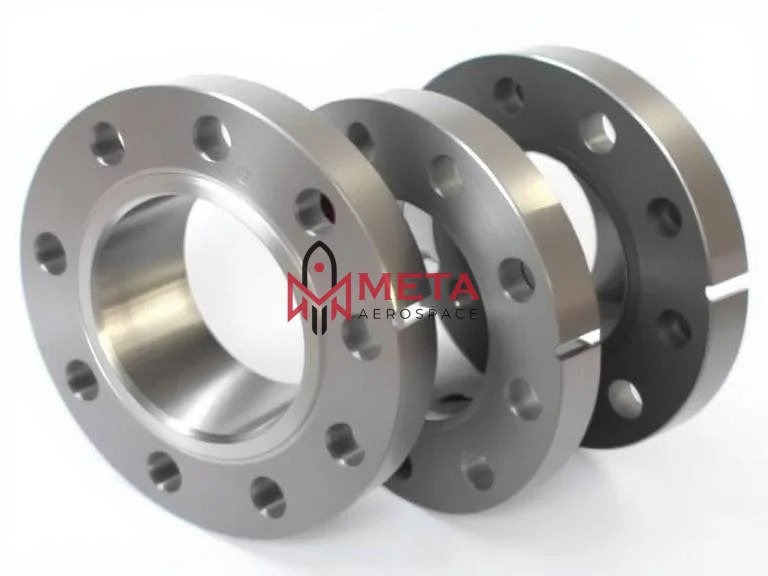
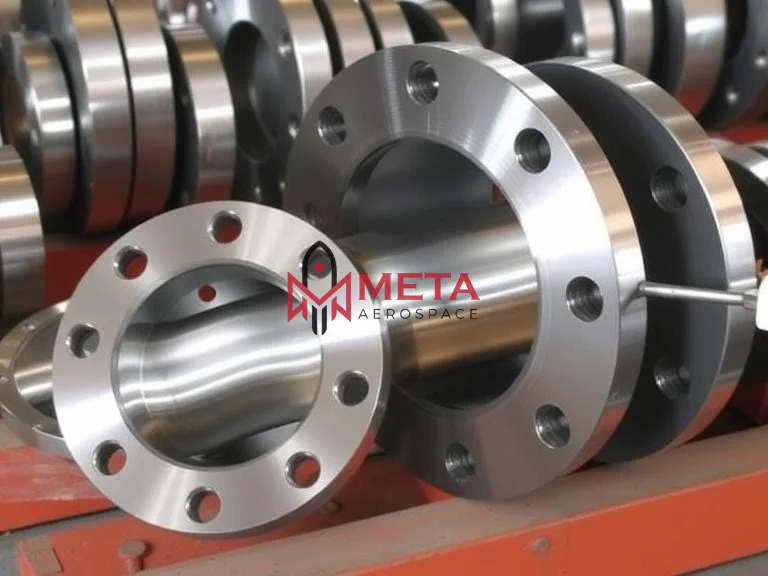
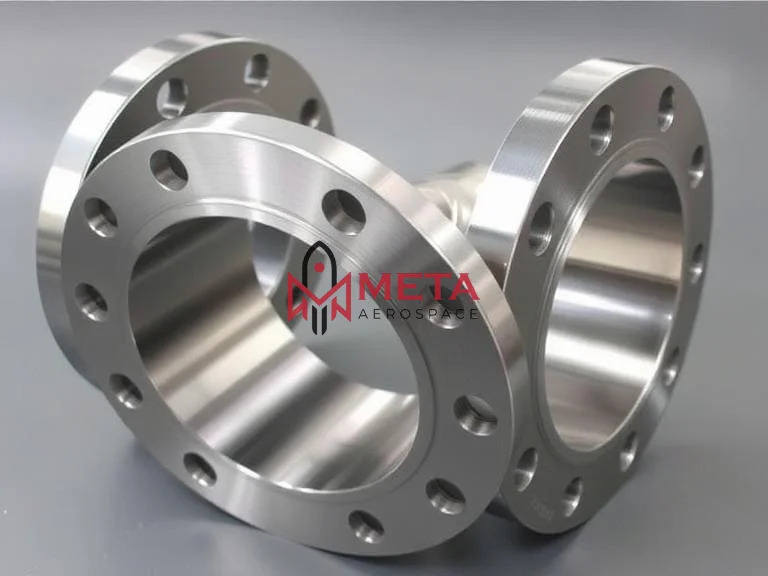
High-Performance Flanges for Critical ApplicationsASTM A694 flanges are favored for their exceptional strength and resistance to corrosion, making them ideal for high-pressure environments. Produced through precision forging and rigorous heat treatment, these flanges are engineered for reliability and extended service life, addressing the demands of pipelines in sectors such as oil and gas, petrochemical, and power.
Versatile Connection and Surface OptionsAvailable with end connections conforming to ANSI/ASME, MSS SP-44, API-605, and international standards like DIN and JIS, these flanges suit a wide range of installation requirements. Customers can choose between surfaces like black, galvanized, or anti-rust oil coatings, with connection types including welded, threaded, slip-on, socket weld, blind, lap joint, orifice, and plate, ensuring compatibility and protection.
FAQs of ASTM A694 Flanges:
Q: How are ASTM A694 flanges manufactured to ensure high strength and durability?
A: ASTM A694 flanges are produced using forging processes followed by heat treatments such as normalizing, quenching, and tempering. These steps enhance the flanges grain structure, resulting in high mechanical strength, improved ductility, and resistance to harsh operating conditions.
Q: What face types are available for ASTM A694 flanges and how do they affect usage?
A: ASTM A694 flanges are available in Raised Face (RF), Flat Face (FF), and Ring Type Joint (RTJ) configurations. Each face type is designed for specific purposes: RF is widely used for general service, FF is suited for flat gasket applications, and RTJ is preferred for high-pressure, leak-tight sealing.
Q: When should I select a specific pressure class or grade for these flanges?
A: Selection depends on operating pressure, temperature, and medium. ASTM A694 flanges are available in pressure classes from Class 150 up to Class 2500 (PN20PN420) and in grades F42 to F70. Choose the pressure class and grade based on your pipelines design requirements and applicable industry standards.
Q: Where can ASTM A694 flanges be applied, and what industries benefit most from their usage?
A: These flanges are widely used in oil and gas, petrochemical, power generation, and water pipeline projects due to their high strength, toughness, and ability to withstand aggressive media and elevated pressures.
Q: What testing and quality checks are performed on ASTM A694 flanges?
A: Each flange undergoes comprehensive tests including ultrasonic examination, Positive Material Identification (PMI), hardness and impact testing, and hydrostatic testing. These procedures confirm material integrity, chemical composition, mechanical properties, and pressure-holding capacity.
Q: How are ASTM A694 flanges packed, marked, and shipped?
A: Flanges are typically packed in sturdy wooden cases or palletized for safe transportation. Markings include standard details, size, pressure class, material grade, and other specifications per industry standards, ensuring traceability and compliance on delivery.

 Send Inquiry




 Send Inquiry

 Send Inquiry
 English
 Spanish
 French
 German
 Italian
 Chinese (Simplified)
 Japanese
 Korean
 Arabic
 Portuguese