
Call: 07313726336
 Send Inquiry
| Specifications | ASTM B691 / ASME SB691 |
|---|---|
| Standard | EN, DIN, JIS, ASTM, BS, ASME, AISI |
| Range | 3.17 MM TO 350 MM DIA |
| Diameter | 25mm to 152mm |
| Length | 1 to 6 Meters, Custom Cut Lengths |
| Finish | Bright, Polish & Black |
| Form | Round, Square, Hex (A/F), Rectangle, Wire (Coil Form), Wiremesh, Billet, Ingot, Forging Etc. |
| Condition | Cold Drawn & Polished Cold Drawn, Centreless Ground & Polished |
| STANDARD | WERKSTOFF NR. | UNS |
|---|---|---|
| Nimonic Alloy 80A | 2.4631 | N07080 |
| Grade | C | Ni | Cu | Cr | Ti | Fe | Mn |
|---|---|---|---|---|---|---|---|
| Nimonic Alloy 80A | 0.10 max | Bal | 0.2 max | 18.0-21.0 | 1.8-2.7 | 3.0 max | 1.0 max |
| Grade | Density | Melting Point | Tensile Strength | Yield Strength (0.2%Offset) | Elongation |
|---|---|---|---|---|---|
| 80S | 8.1 g/cm3 | Psi 110000, MPa 760 | Psi 55100, MPa 380 | 45 % |
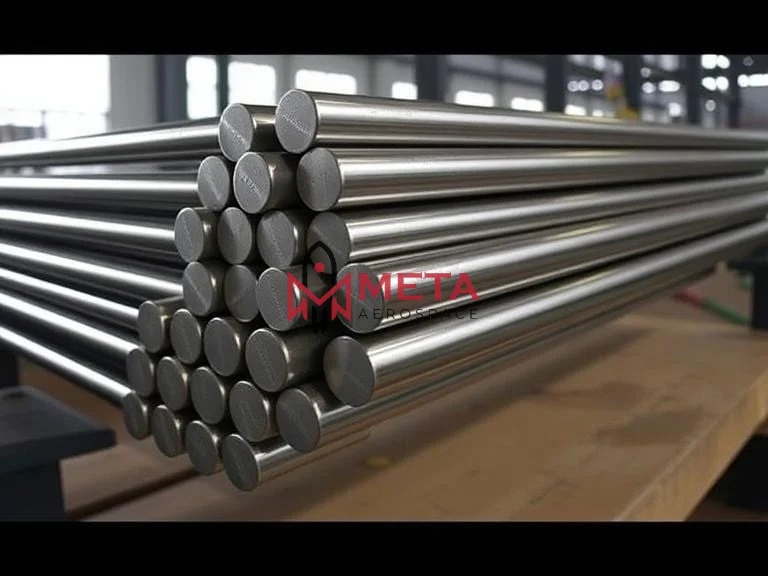

Price:
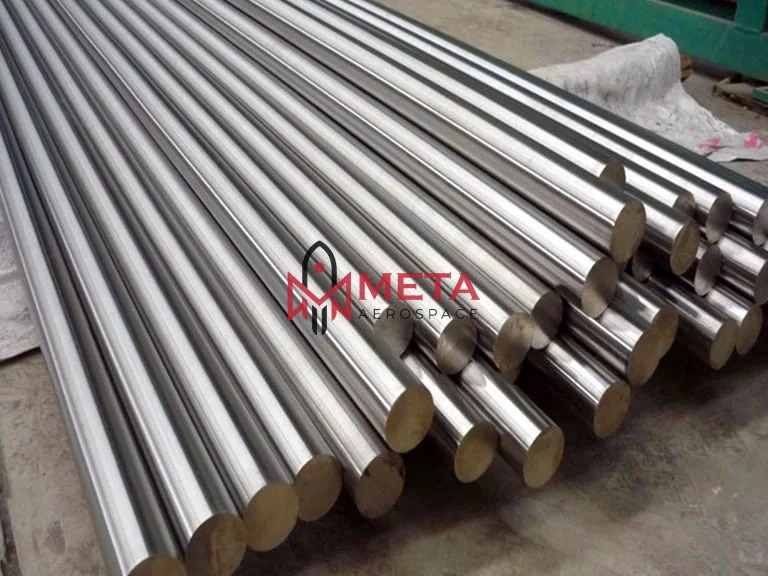
Length : 36 Meter
Application : Aerospace, Gas Turbine Components, High Temperature Applications
Standard : ASTM, DIN, JIS, EN standards
Specific Use : High Strength and Corrosion Resistance at Elevated Temperatures
Technique : Hot Rolled
Diameter : 5 mm to 400 mm
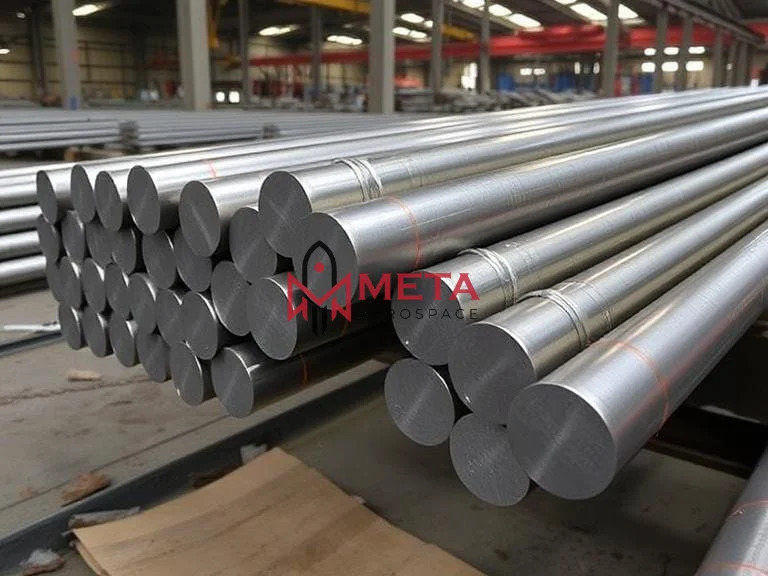
Length : 100 mm to 6000 mm
Application : Aerospace, tooling, defense, machinery, die casting, and highperformance structural components
Standard : ASTM, AMS, DIN, EN, UNS K92890
Specific Use : High strength and toughness applications
Technique : Hot Rolled / Cold Drawn
Diameter : 4 mm to 350 mm
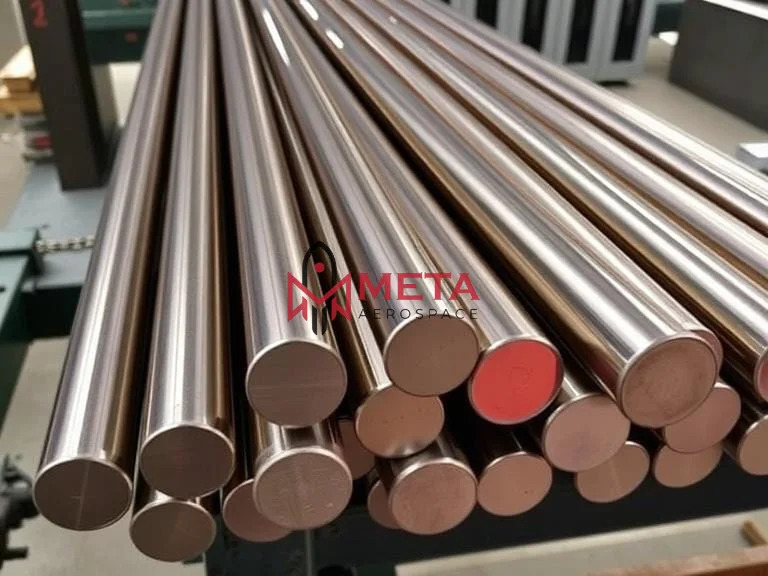
Length : 100 mm to 6000 mm (custom cut available)
Application : Chemical processing, Marine equipment, Oil & Gas, Pulp & Paper, Desalination plants
Standard : ASTM A276, ASTM A479, EN 1.4547
Specific Use : High chloride environments, Heat exchangers, Process piping
Technique : Hot Rolled / Cold Drawn
Diameter : 6 mm to 350 mm
![253 MA [S30815] Round Bar](https://cpimg.tistatic.com/11449080/b/4/253-MA-S30815-Round-Bar..webp)
Length : 3 meter to 6 meter or as required
Application : Industrial, Construction, Petrochemical, Oil & Gas, Power Generation, Heat Exchangers
Standard : ASTM A276, ASTM A479
Specific Use : High Temperature Components, Kiln Liners, Furnace Parts
Technique : Hot Rolled, Forged
Diameter : 10 mm to 350 mm
GST : 27CZGPS6863N1ZC


 Send Inquiry

 Send Inquiry
 English
 Spanish
 French
 German
 Italian
 Chinese (Simplified)
 Japanese
 Korean
 Arabic
 Portuguese