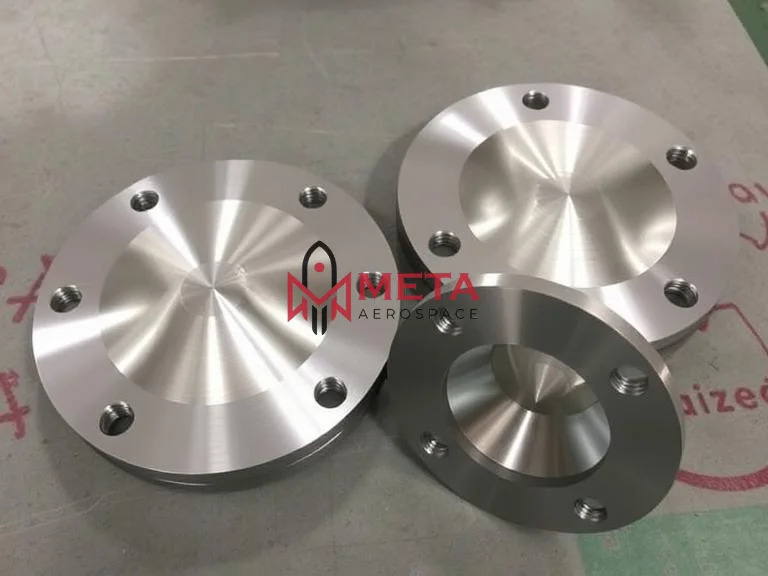
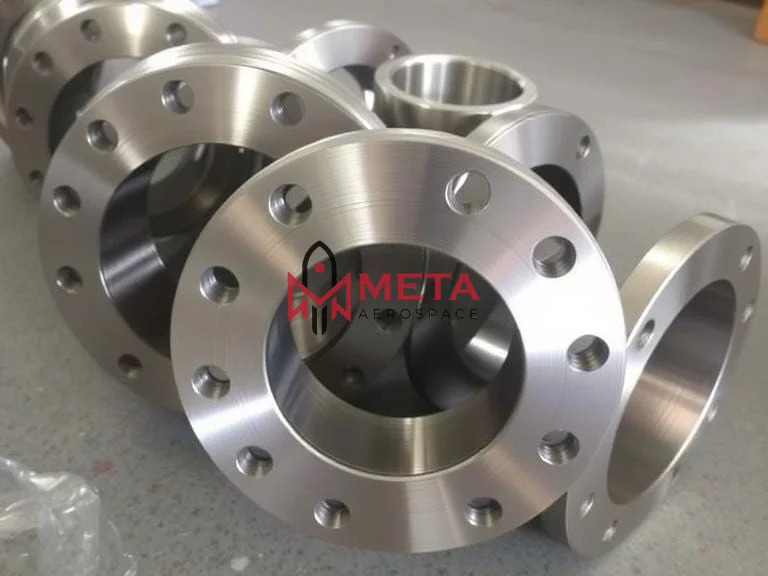
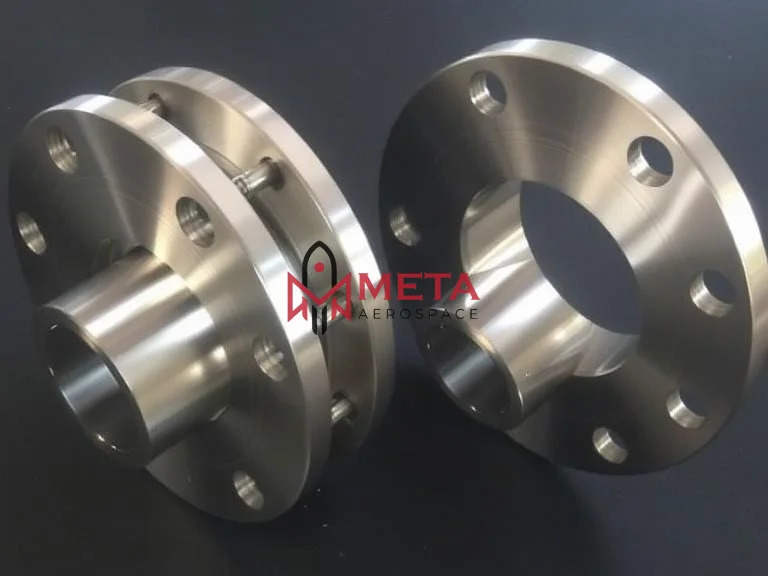
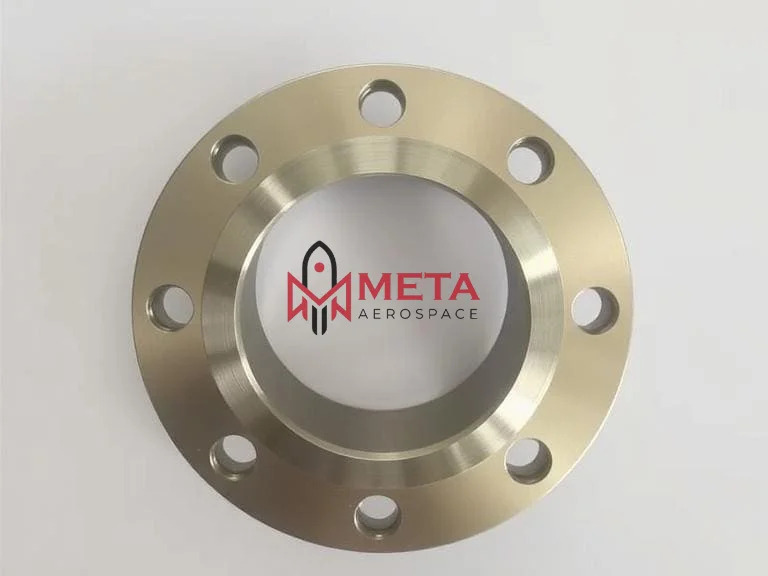
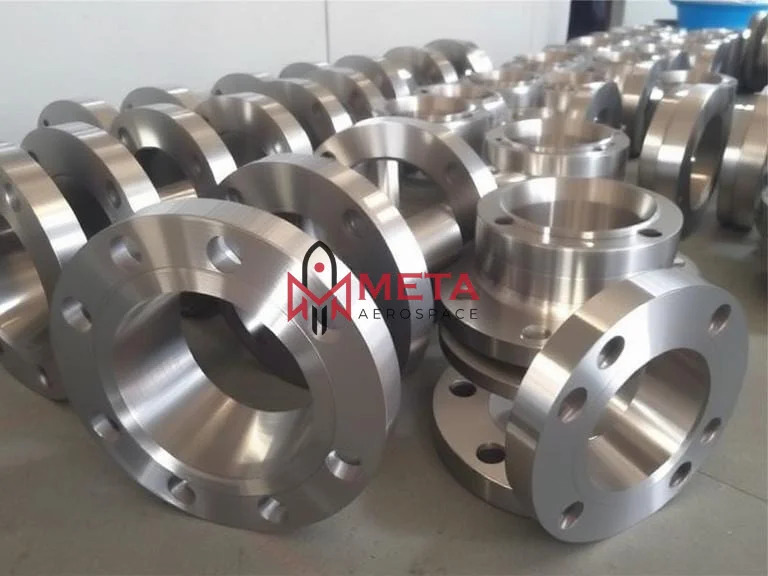
About Stainless Steel 304304L Flanges
What Are Specification Stainless Steel 304/304L Flanges?
| Specifications List | ASTM A182 / ASME SA182 |
|---|
| Class / Pressure Rating | 150#, 300#, 600#, 900#, 1500#, 2500#, PN6, PN10, PN16, PN25, PN40, PN64 etc. |
|---|
| Size Chart | 1/2 (15 NB) to 48 (1200NB) |
|---|
ASTM Standards
| ANSI/ASME B16.5, B16.48, BS4504, B 16.47 Series A & B, BS 10, EN-1092, DIN, etc. |
|---|
| Standard s | ANSI, ASME, BS, DIN, EN etc. |
|---|
Equivalent material Of Stainless Steel 304/304L Flanges?
| STANDARD | UNS | WNR. | AFNOR | EN | JIS | BS | GOST |
|---|
| SS 304 | S30400 | 1.4301 | Z7CN1809 | X5CrNi18-10 | SUS 304 | 304S31 | 081810 |
|---|
| SS 304L | S30403 | 1.4306/1.4307 | Z3CN1810 | X2CrNi18-9 / X2CrNi19-11 | SUS 304L | 304S11 | 031811 |
|---|
Chemical Composition Of Stainless Steel 304/304L Flanges?
| Grade | C | Mn | Si | P | S | Cr | Ni | N |
|---|
| SS 304 | 0.08 max | 2 max | 0.75 max | 0.045 max | 0.030 max | 18 20 | 8 11 | - |
|---|
| SS 304L | 0.035 max | 2.0 max | 1.0 max | 0.045 max | 0.03 max | 18 20 | 8 13 | - |
|---|
Mechanical Properties Of Stainless Steel 304/304L Flanges?
| Grade | Density | Melting Point | Tensile Strength | Yield Strength (0.2%Offset) | Elongation |
|---|
| SS 304/304L | 8.0 g/cm3 | 1400 C (2550 F) | Psi 75000, MPa 515 | Psi 30000, MPa 205 | 40 % |
|---|
Exceptional Strength and DurabilityEngineered from Stainless Steel 304/304L, these flanges offer a density of 7.93 g/cm and a hardness range between 160 and 210 HB, enabling them to perform in demanding environments like oil and gas, petrochemical, power generation, and water treatment. Their reliable composition ensures longevity, minimizing maintenance needs and downtime.
Versatile Application and CustomizationAvailable in sizes ranging from 1/2 inch to 48 inches (DN15 to DN1200), with multiple face and connection types, these flanges can be tailored according to specific dimension, pressure, and finish requirements. Their adaptability allows seamless integration into new installations or existing systems, enhancing operational flexibility.
FAQs of Stainless Steel 304304L Flanges:
Q: How are Stainless Steel 304/304L flanges typically used in industrial applications?
A: These flanges are widely deployed in connecting pipes, valves, pumps, and other equipment across industries such as petrochemical, power generation, oil and gas, water treatment, and food processing. Their corrosion resistance and strength make them suitable for harsh and high-pressure environments.
Q: What benefits do 304/304L stainless steel flanges provide over other material grades?
A: 304/304L stainless steel flanges deliver superior corrosion resistance, excellent mechanical properties, high purity, and extended durability. These characteristics make them cost-effective in environments where chemical exposure and extreme temperatures are factors.
Q: When should I choose Raised Face, Flat Face, or Ring Type Joint flange face types?
A: Selecting the appropriate flange face depends on the application requirements: Raised Face (RF) for high-pressure sealing, Flat Face (FF) for systems with flat-faced mating parts, and Ring Type Joint (RTJ) for environments demanding enhanced leak protection under high temperature and pressure.
Q: Where are these flanges manufactured and how are they packaged for shipping?
A: Manufactured and supplied from India, these flanges are exported globally. To prevent damage during transit, each flange is marked with size, pressure, material grade, and heat number and securely packaged in wooden cases, pallets, or bubble wrap as required.
Q: What process is used to manufacture Stainless Steel 304/304L flanges?
A: These flanges are primarily produced by forging, according to international standards such as ASME/ANSI B16.5. This process ensures uniformity, mechanical strength, and a smooth finish, tailored to specific customer or industry specifications.
Q: How should I specify the correct flange for my project?
A: It is crucial to consider parameters such as flange face type, end connection, pressure class, size, material grade, and required finish. Sharing detailed application requirements with the supplier ensures the most suitable flange is provided for your system.
Q: What sealing method is recommended for Stainless Steel 304/304L flanges?
A: Sealing is typically achieved using gaskets compatible with the flange face type, ensuring a reliable, leak-proof connection suitable for the operating pressure and temperature range.

 Send Inquiry



 Send Inquiry

 Send Inquiry
 English
 Spanish
 French
 German
 Italian
 Chinese (Simplified)
 Japanese
 Korean
 Arabic
 Portuguese